 Experience Pattaya City
Experience Pattaya City
Experience Pattaya City
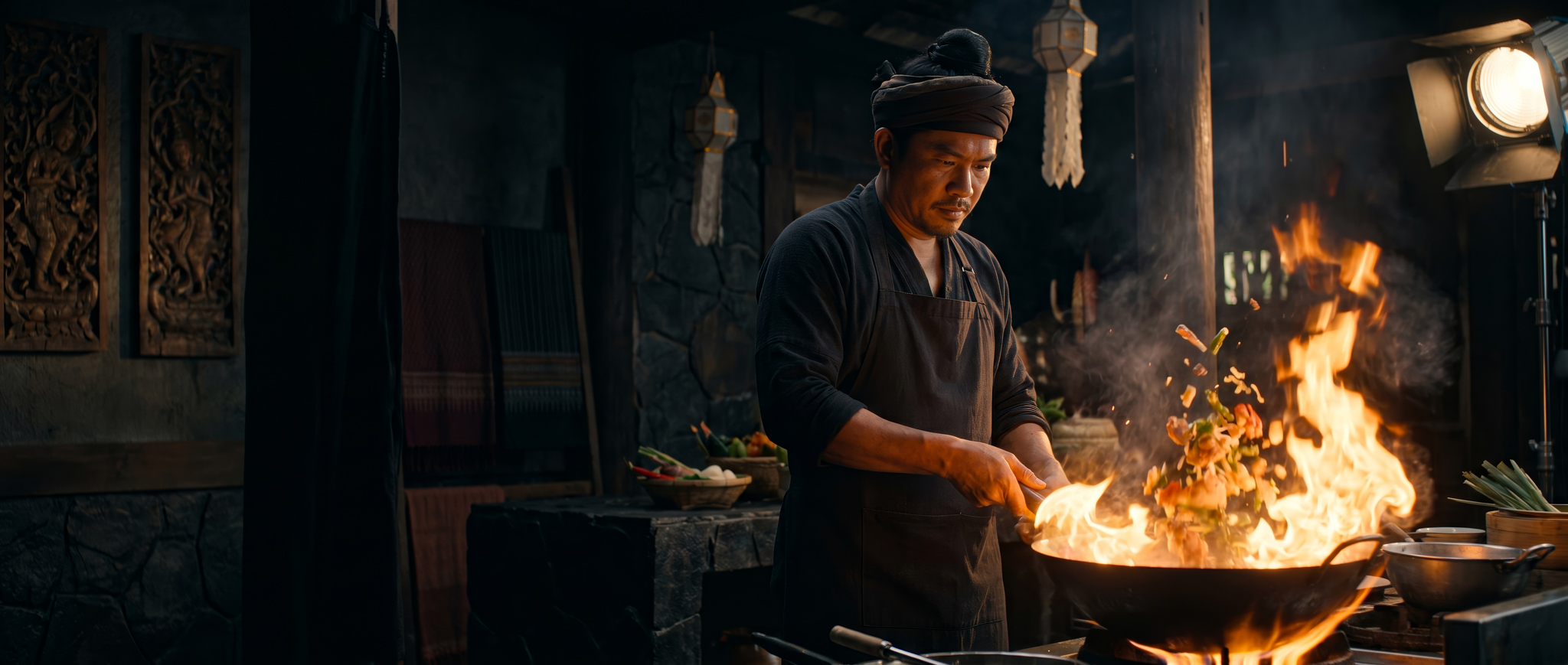
This is not tourist Thai food. This is the cuisine that the fishing community has been eating for generations — the regional dishes that arrived with the workers, the temple recipes that survived the tourist economy, and the street stalls that open at 4am because their customers do too.
The Chonburi coastal tradition is built on seafood — yam pla duk fu (crispy catfish salad), hoy tod (oyster omelette on a sizzling cast-iron pan), and pla pao (whole fish grilled over coconut husks directly on the beach). These are the dishes that predate the resort economy by at least two centuries.
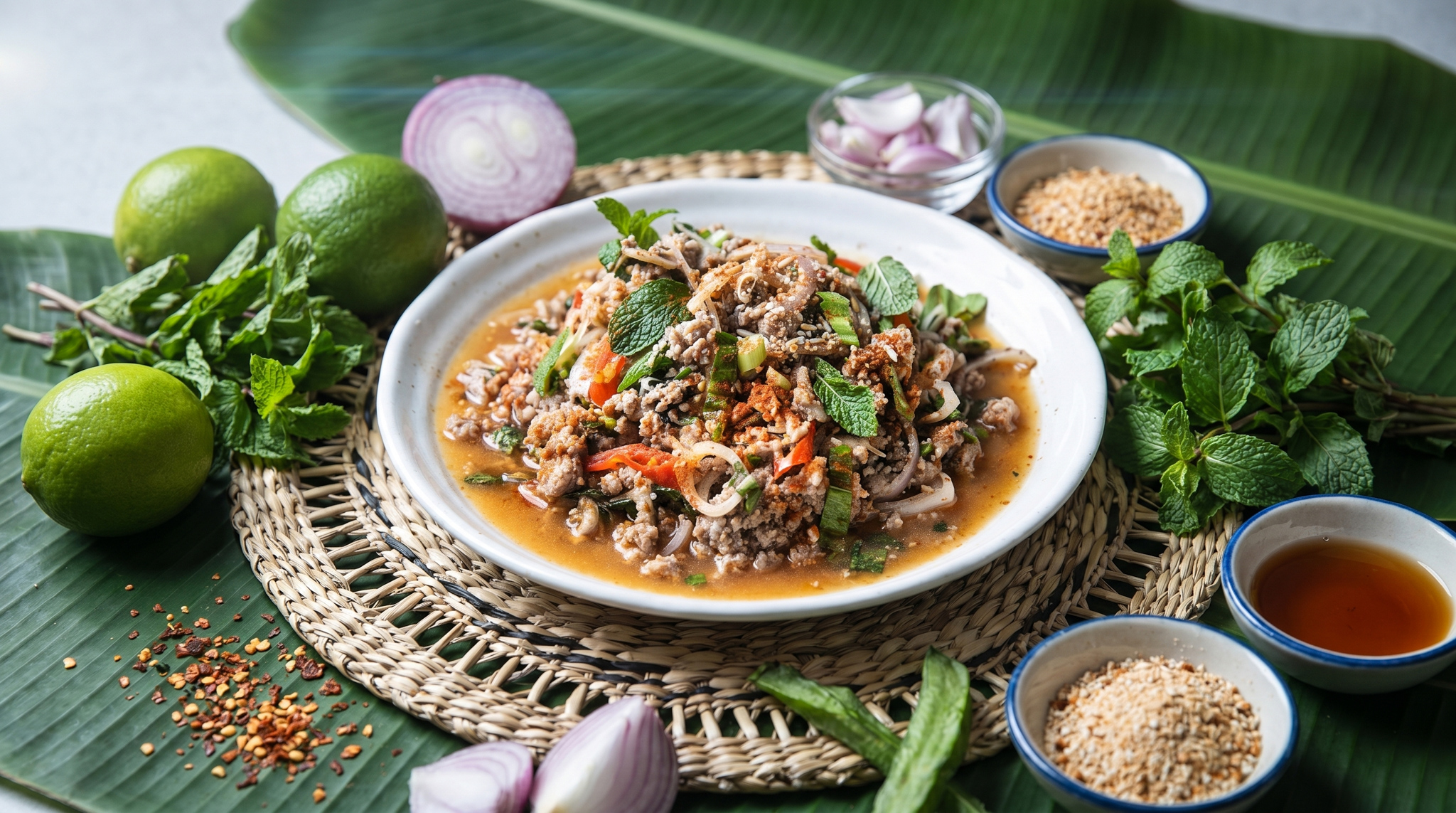
Alongside this coastal heritage, Pattaya contains a large Isaan (northeastern Thai) community — restaurant workers, construction crews, market vendors — who brought their cuisine with them. Som tam, larb, and grilled pork neck (kor moo yang) are as easy to find in Pattaya as any Southern Thai dish, and considerably more authentic than most tourist menus suggest.
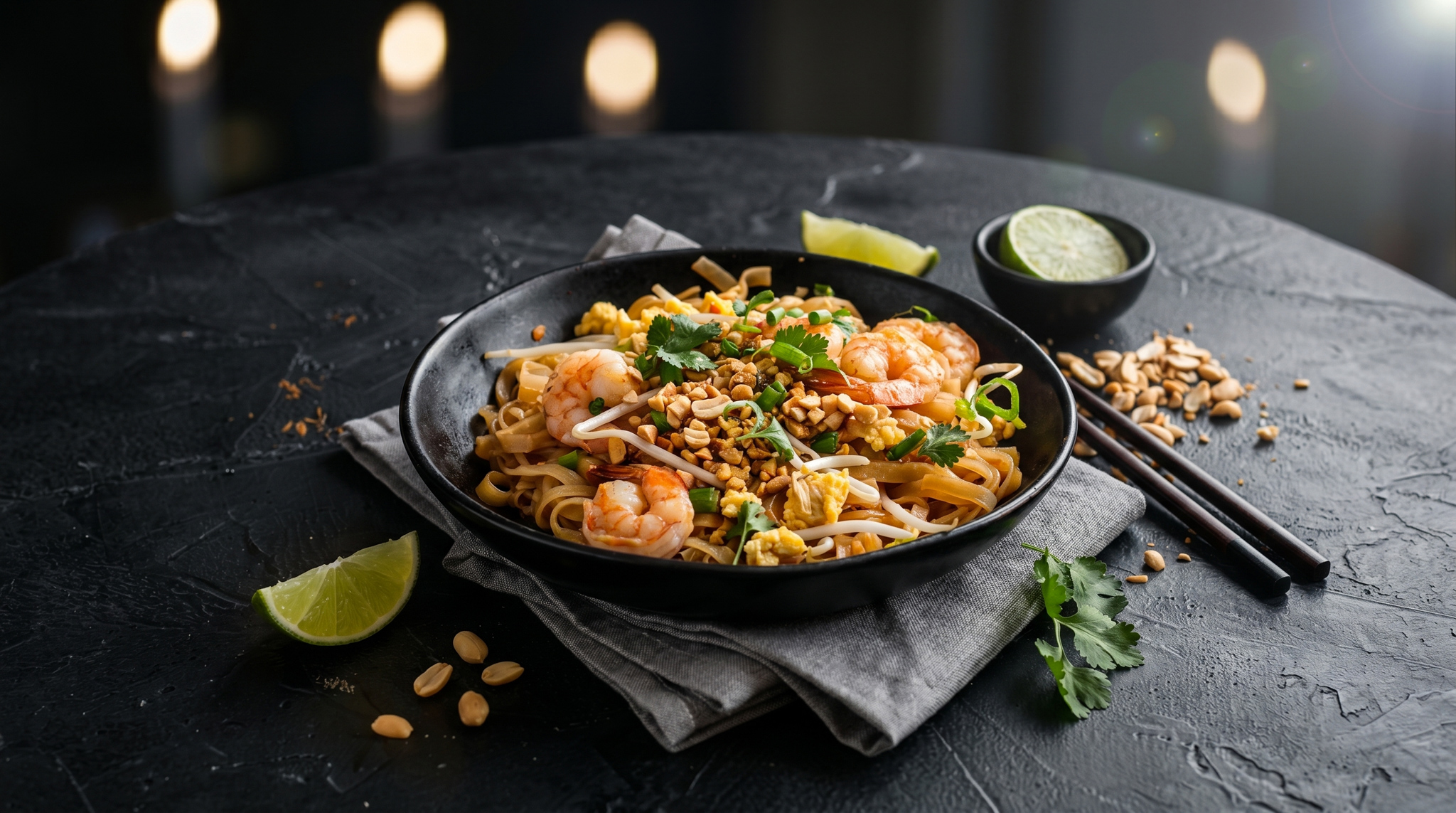
Central Thai cuisine — pad thai, green curry, massaman — occupies the middle ground: present at every level of the market, from street stall to hotel dining room, but most rewarding at the family-run restaurants that have been refining the same recipes for two or three generations.
"The best Thai food in Pattaya has no English menu. It has a laminated photograph of the dishes and a pointing finger."
Fifteen dishes from the Pattaya and Chonburi region — from the coastal seafood traditions to Isaan street food, from temple-origin soups to cliffside desserts. Hover for the dish name.
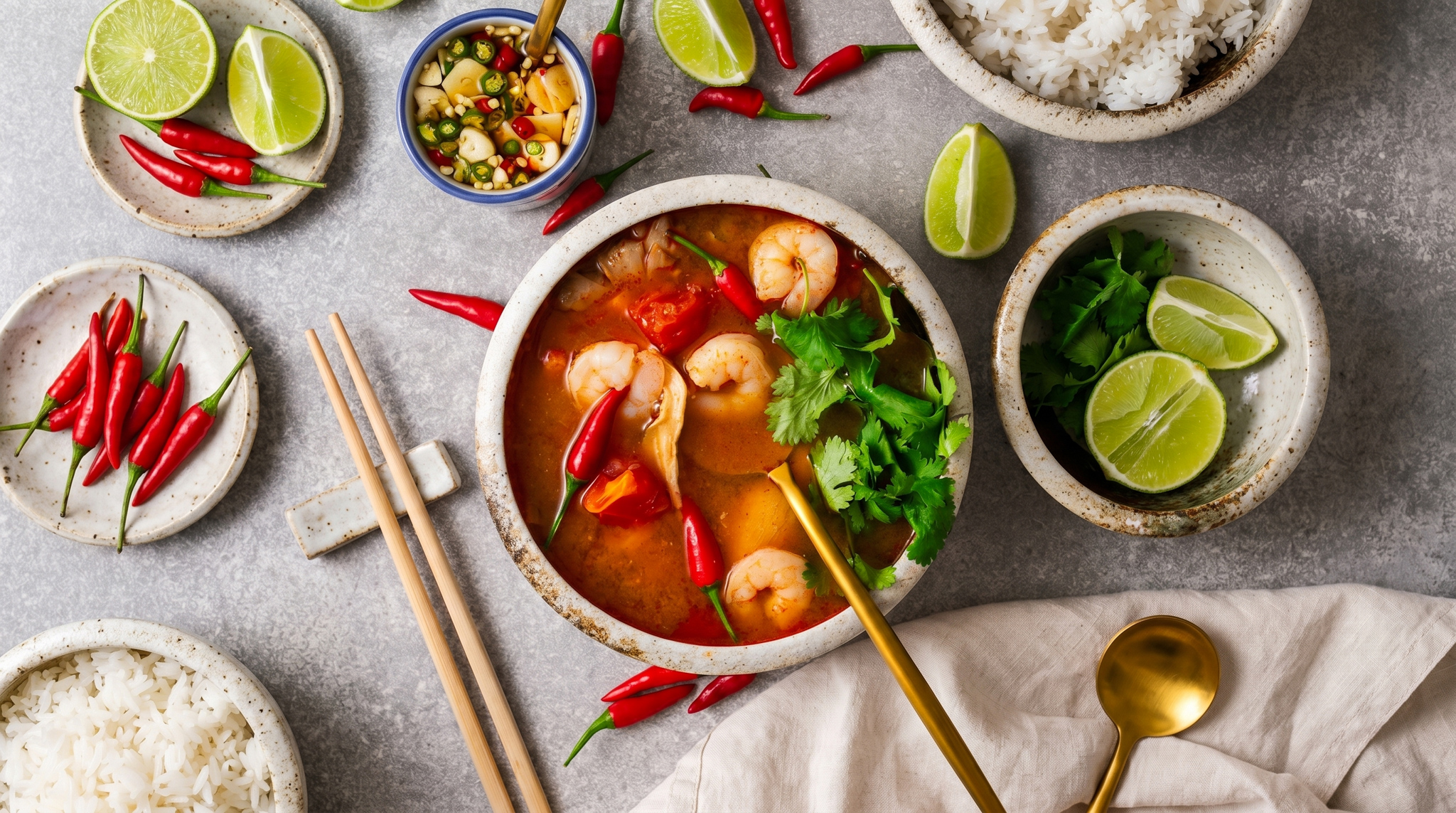
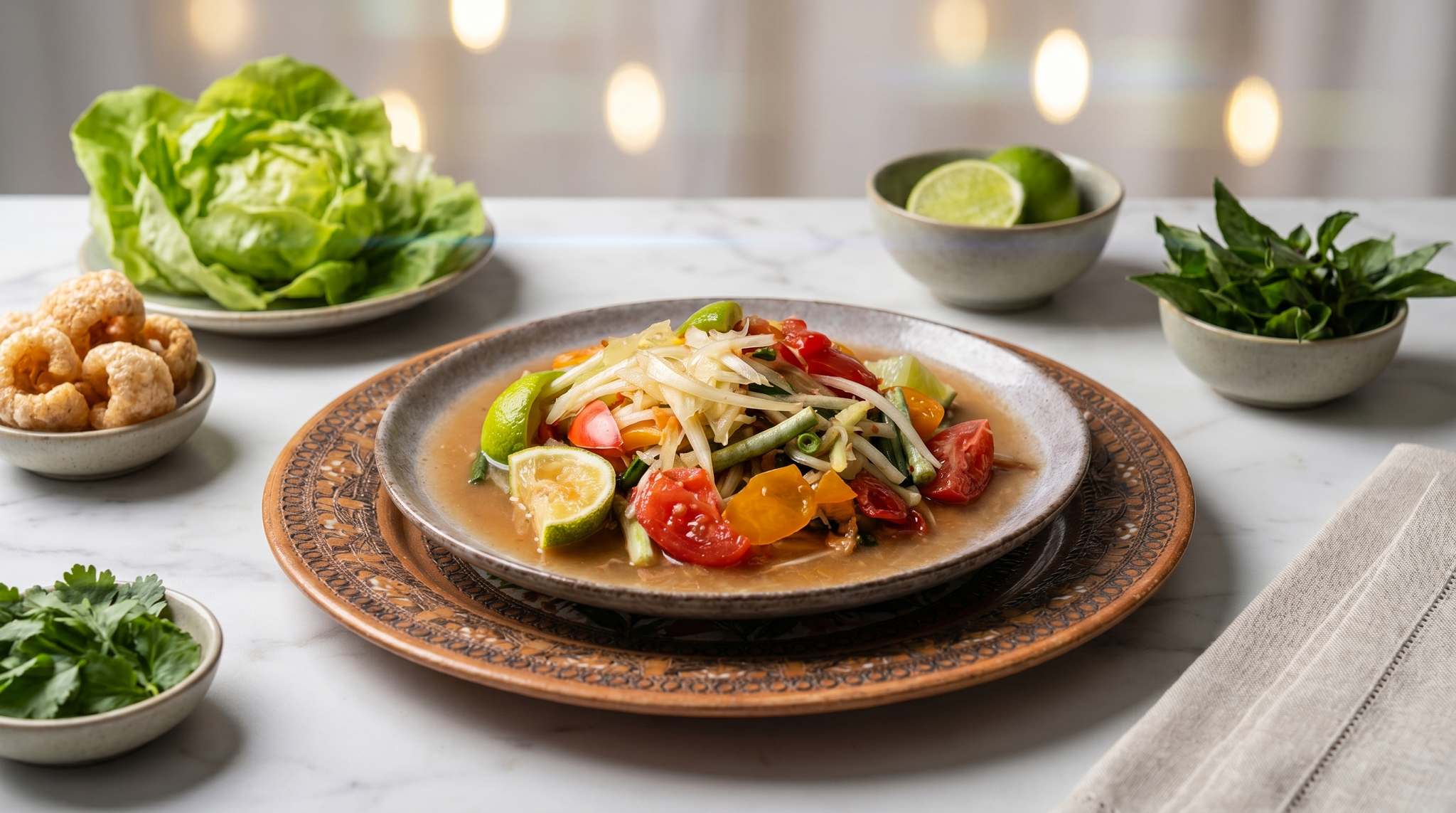
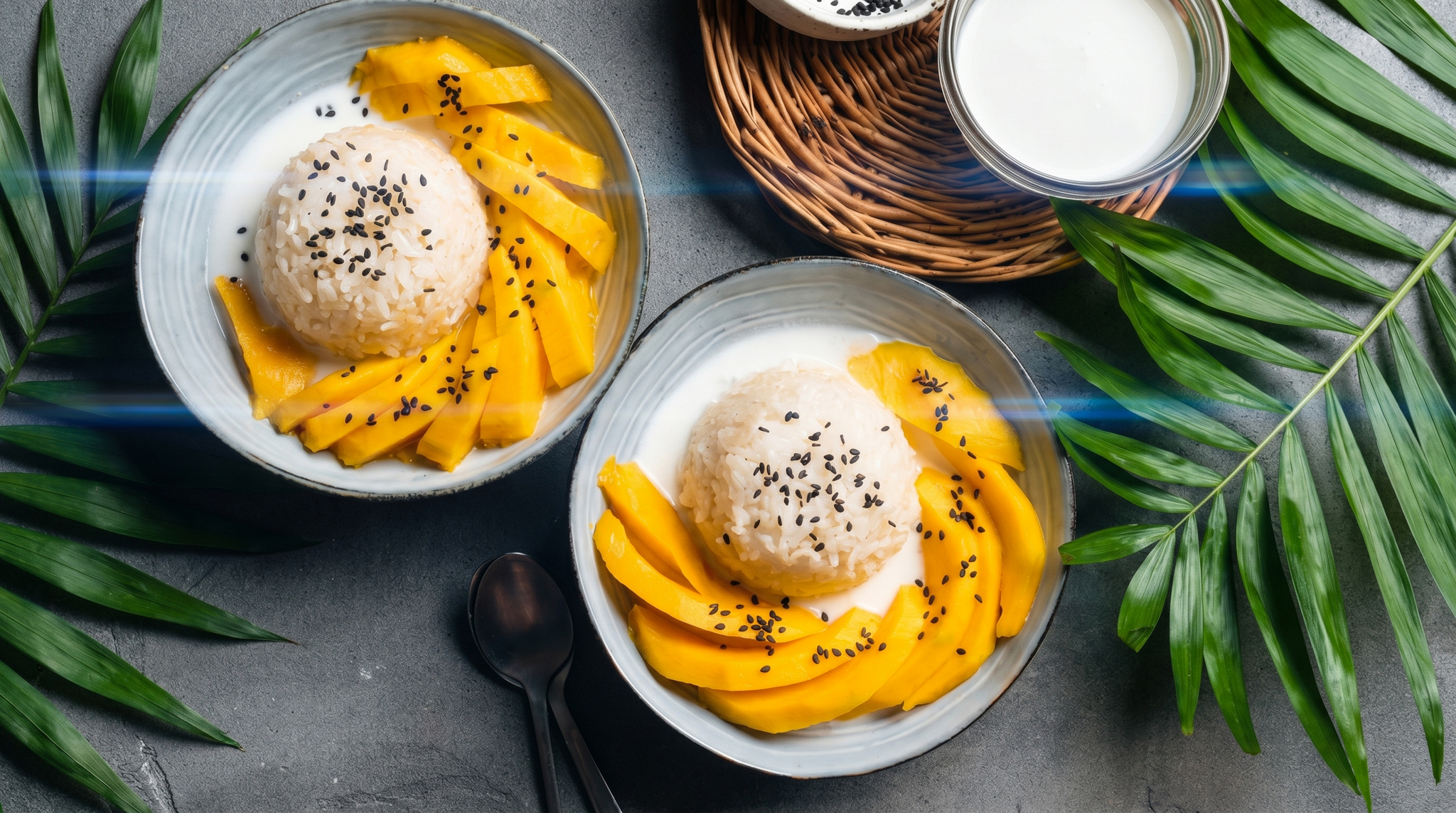
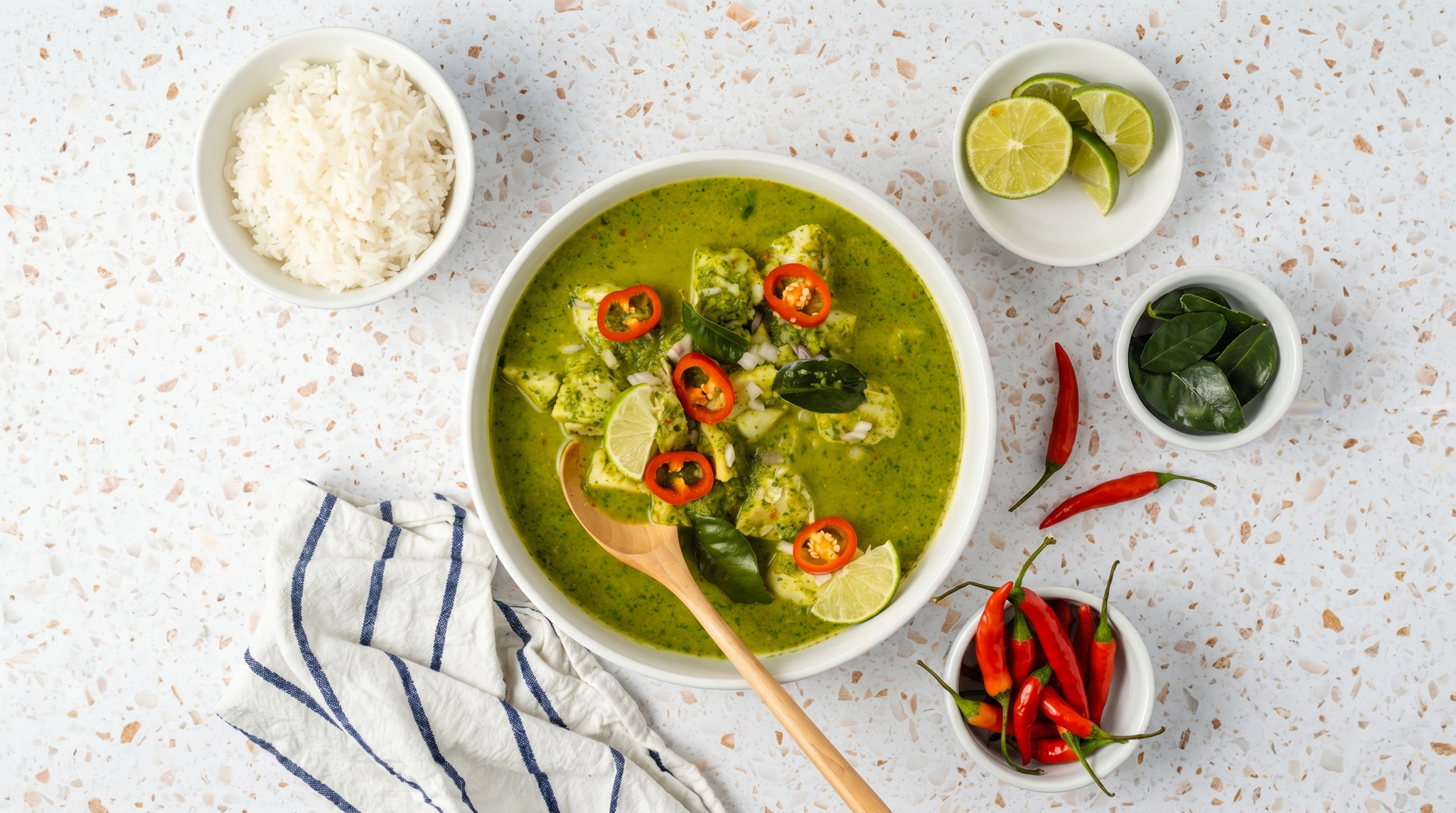
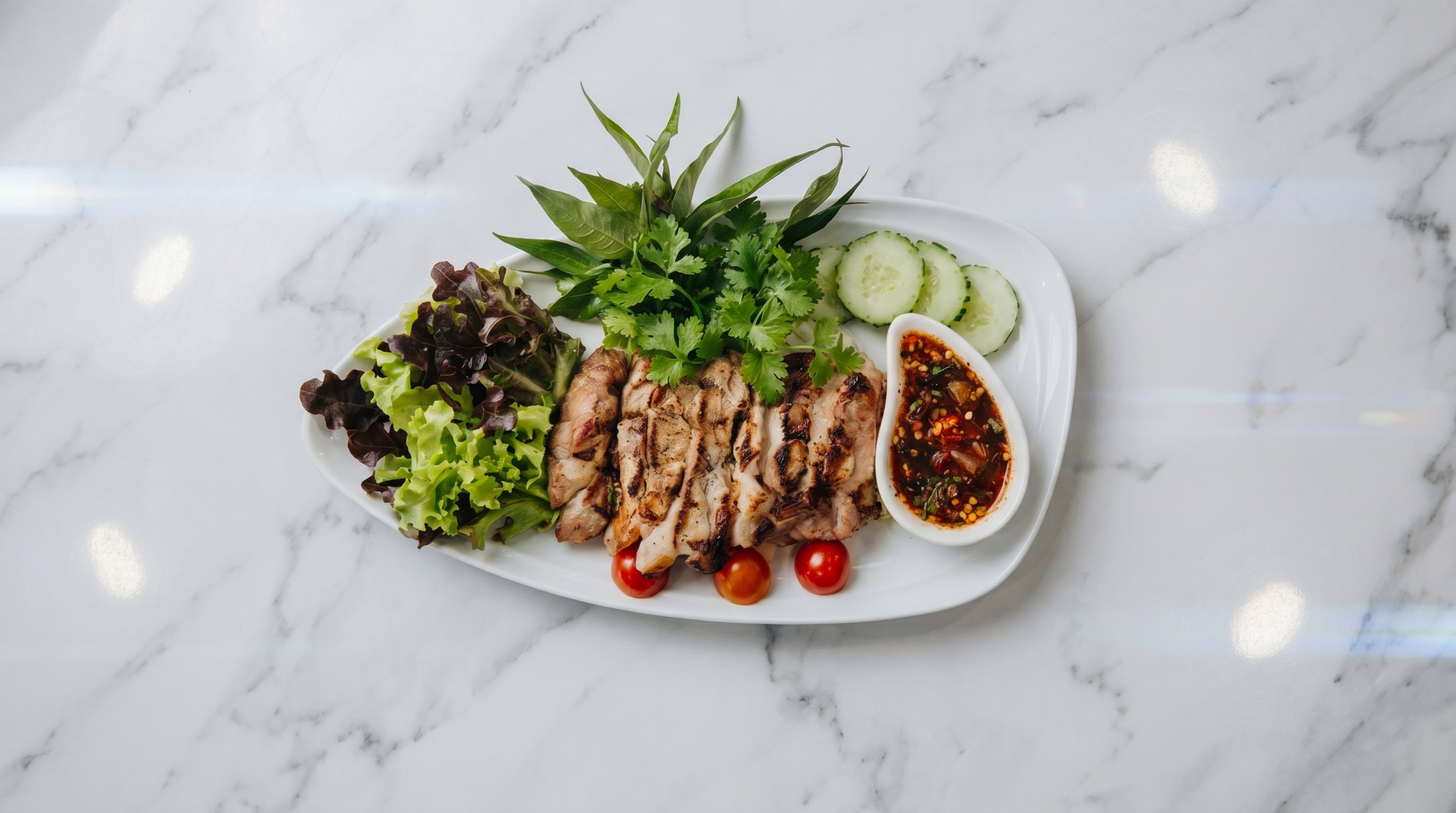
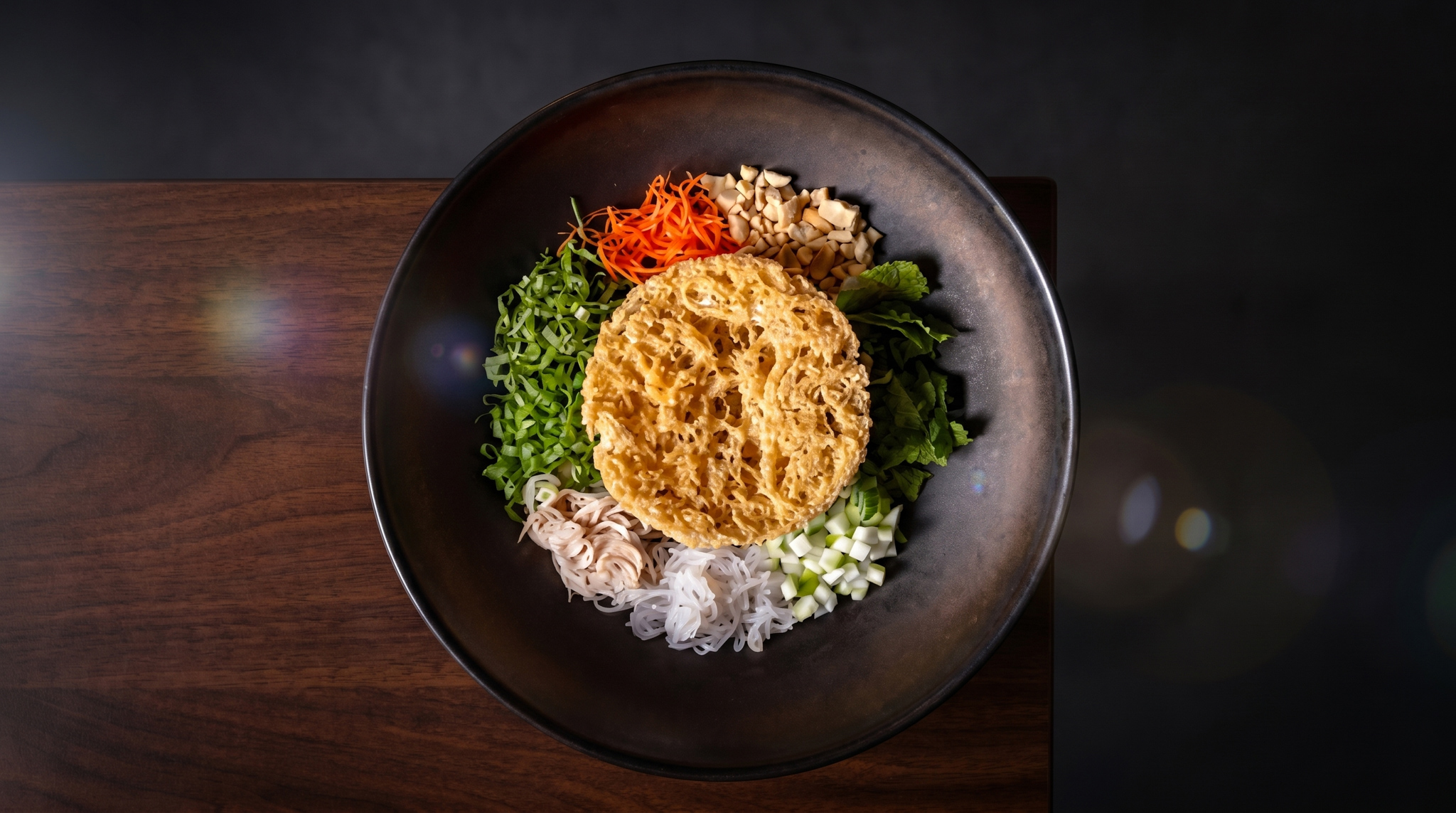
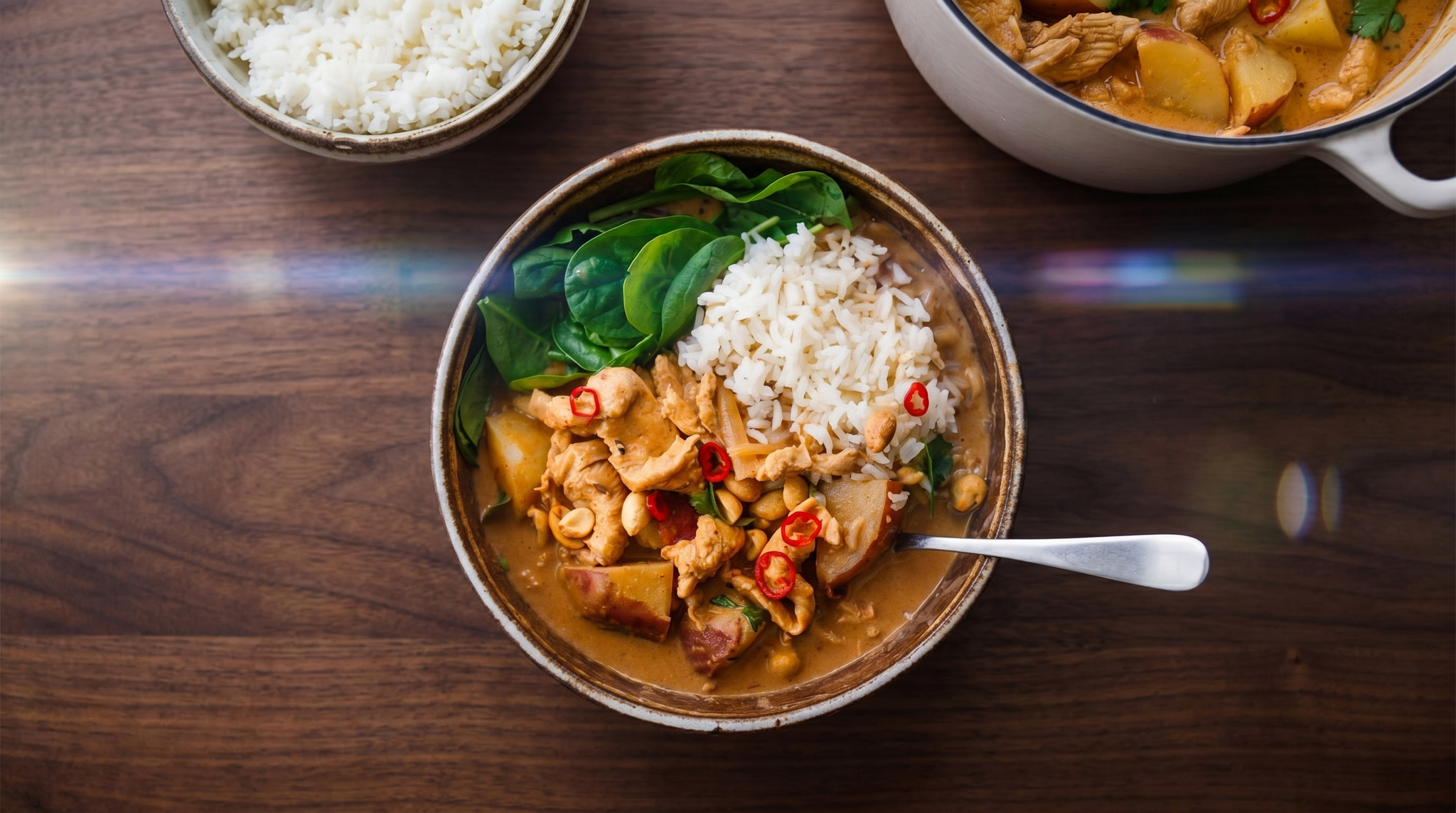
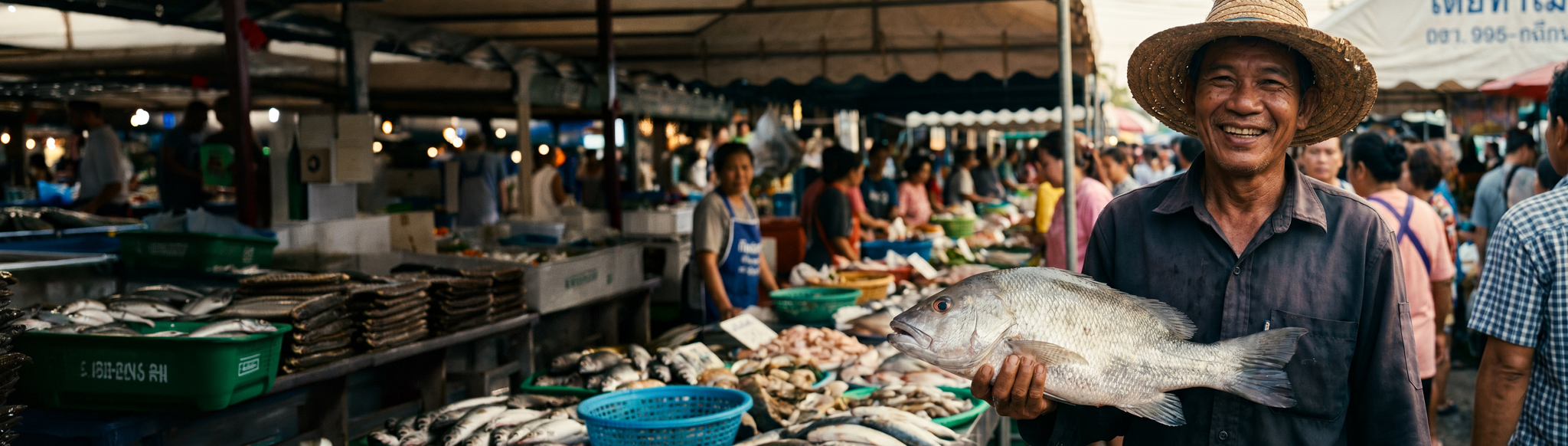
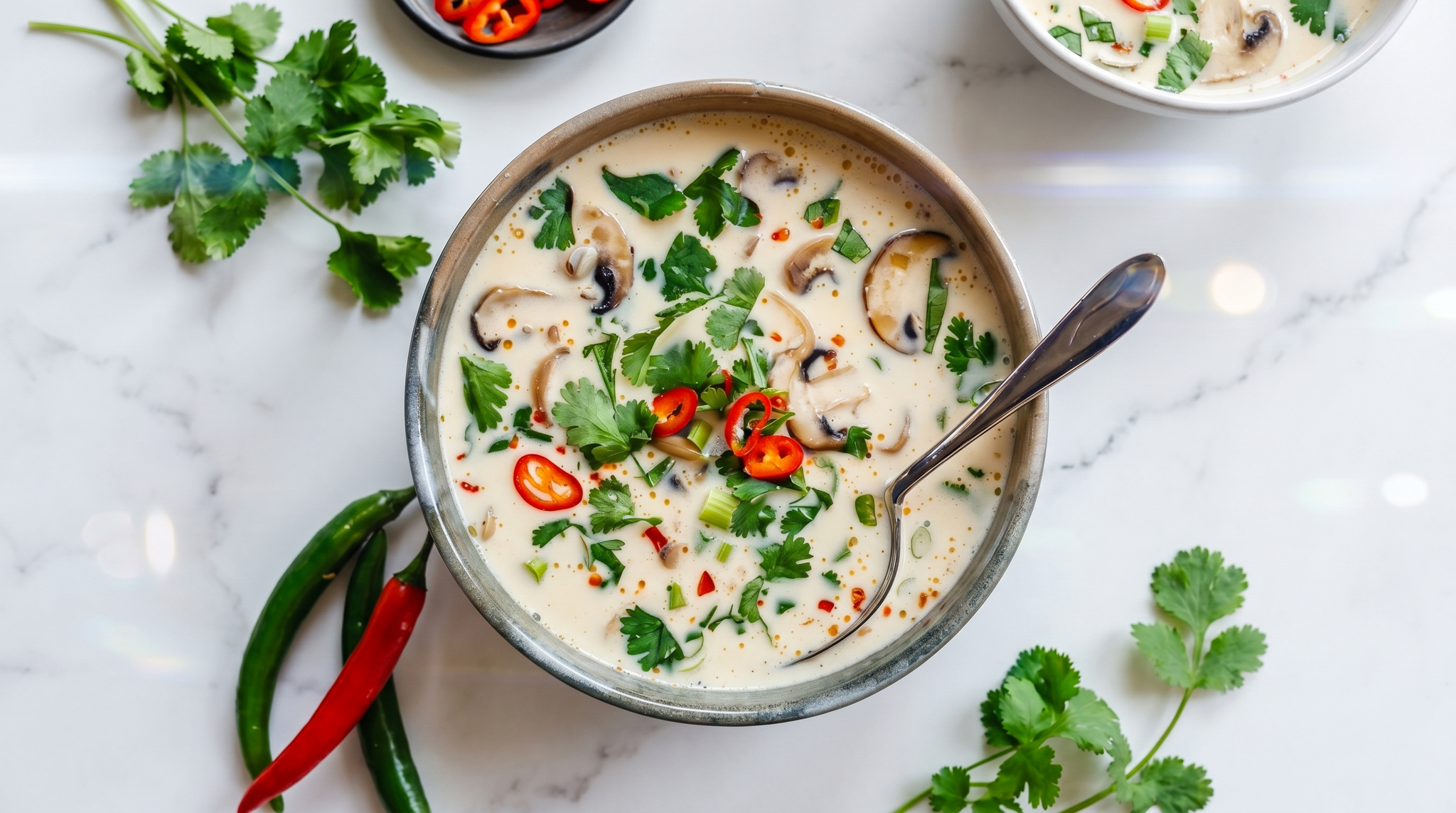
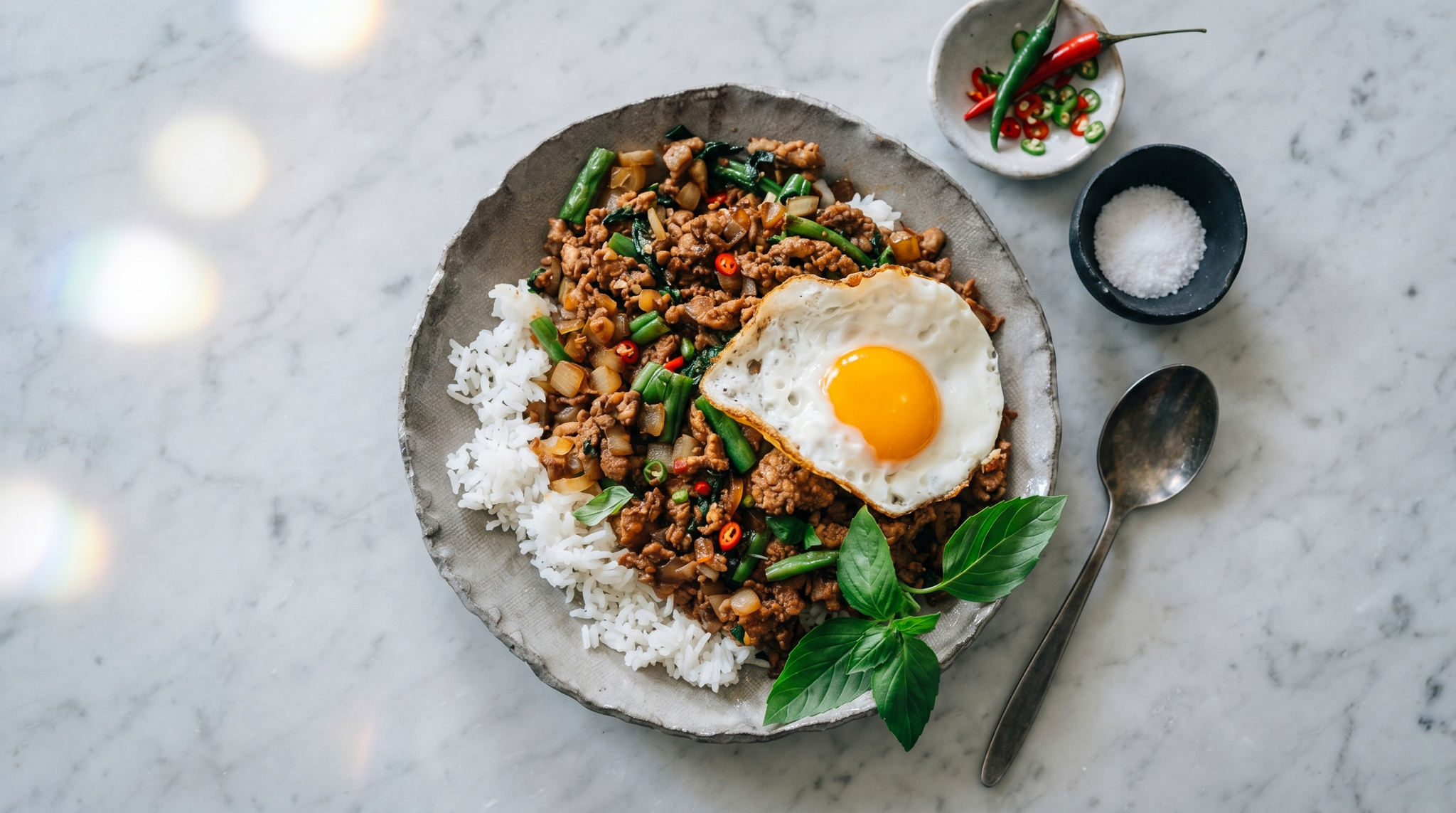
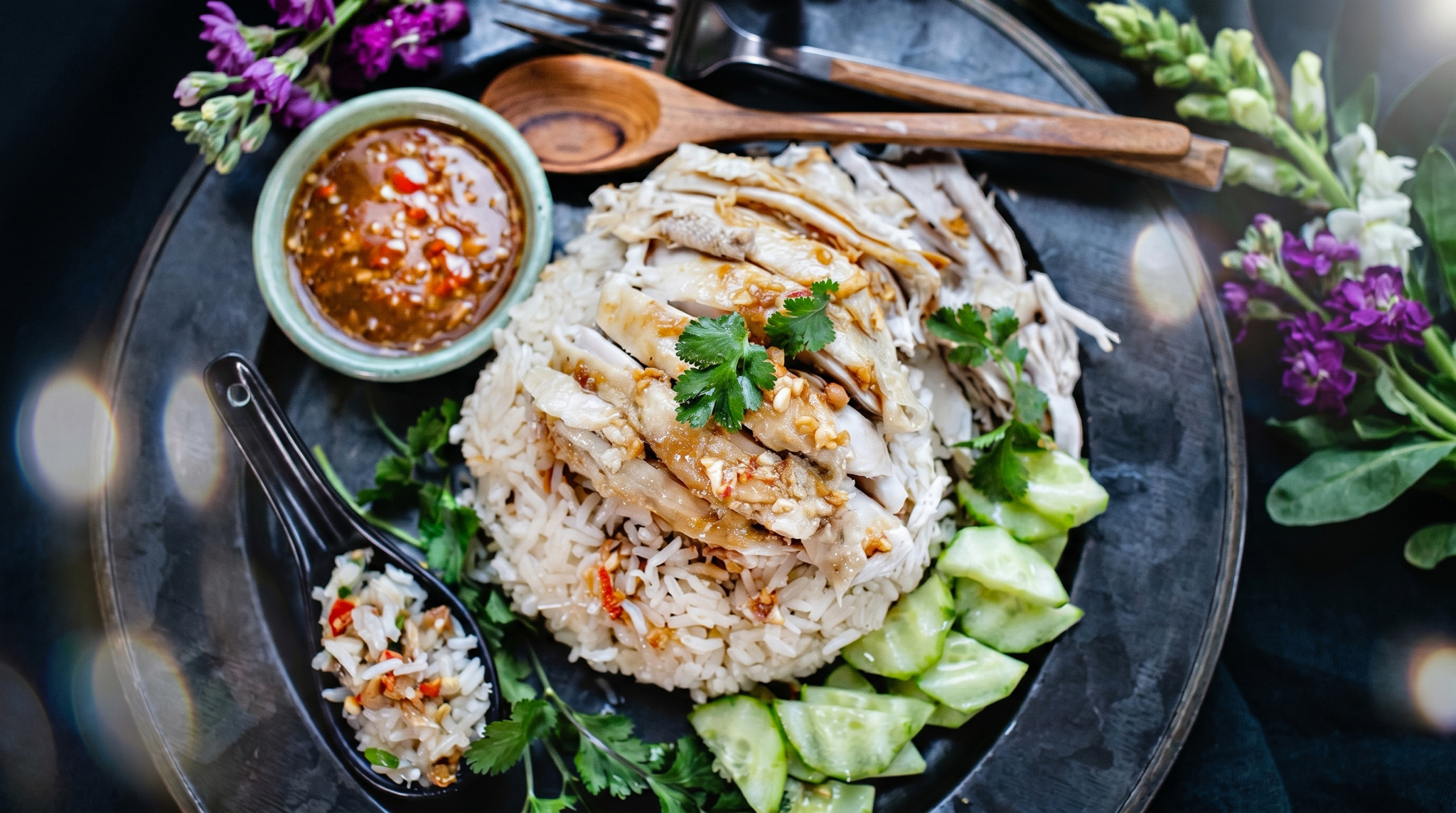
Fifteen dishes, each with a story that predates the restaurant it is served in. These are the names to know before you sit down at any Thai table in Pattaya — and the descriptions that explain why each one tastes the way it does.
The definitive Thai soup — lemongrass, galangal, kaffir lime leaf, chilli, and lime juice in a clear broth with Gulf prawns. The prawns in Pattaya arrive within hours of being caught. The difference between a fresh-prawn tom yum and a frozen one is not subtle.
Shredded unripe papaya pounded in a clay mortar with fish sauce, lime, palm sugar, dried shrimp, and bird's eye chilli. Ordered by the chilli count — ask for "mai phet" (not spicy) or "phet nit noi" (a little spicy). "Phet maak" is not a suggestion for beginners.
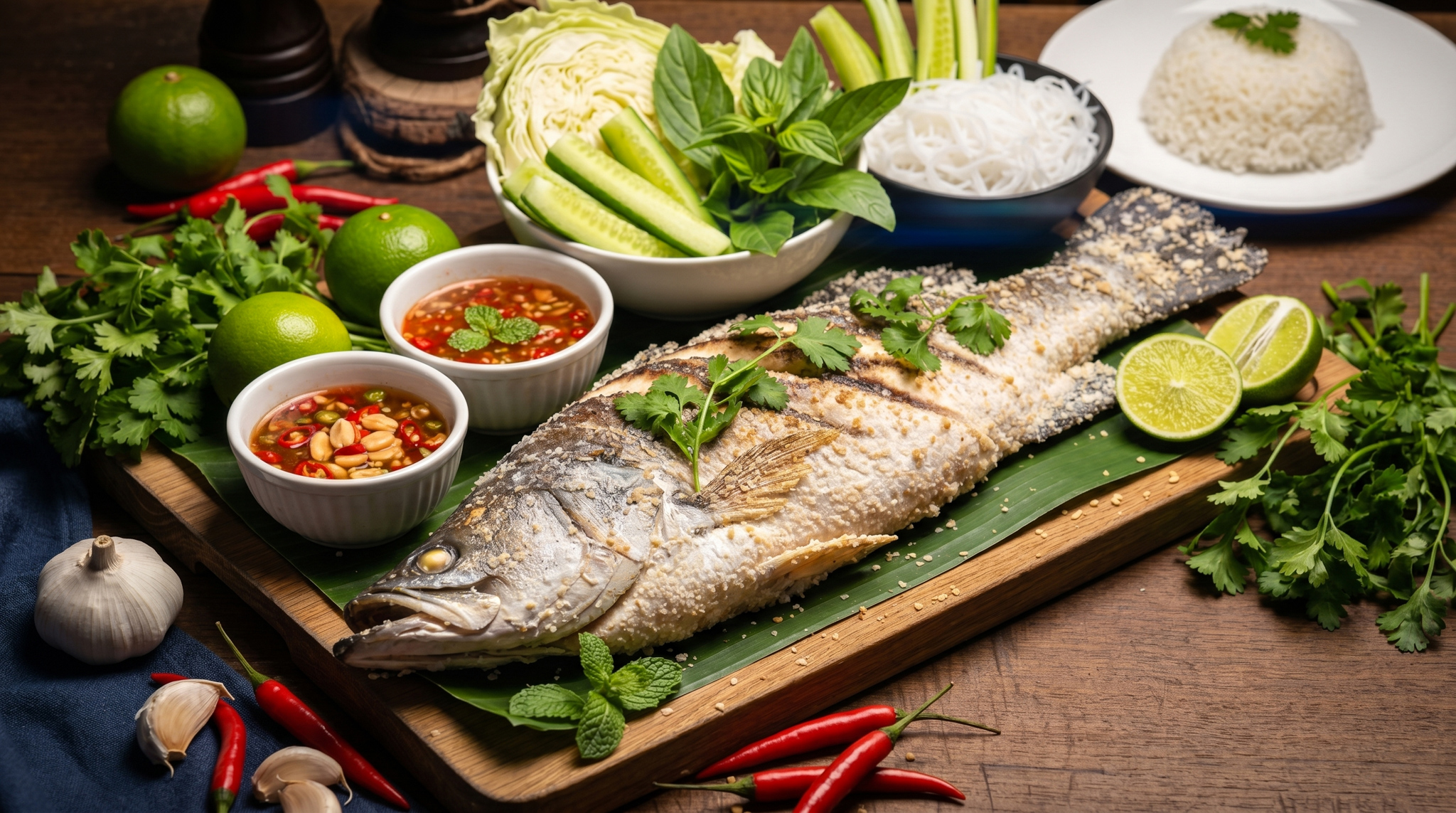
A whole sea bass packed with lemongrass and kaffir lime leaves, sealed in salt, and slow-grilled over smouldering coconut husks. The coastal cooking tradition of Naklua. The salt crust is cracked at the table. The flesh inside is steamed in its own moisture.
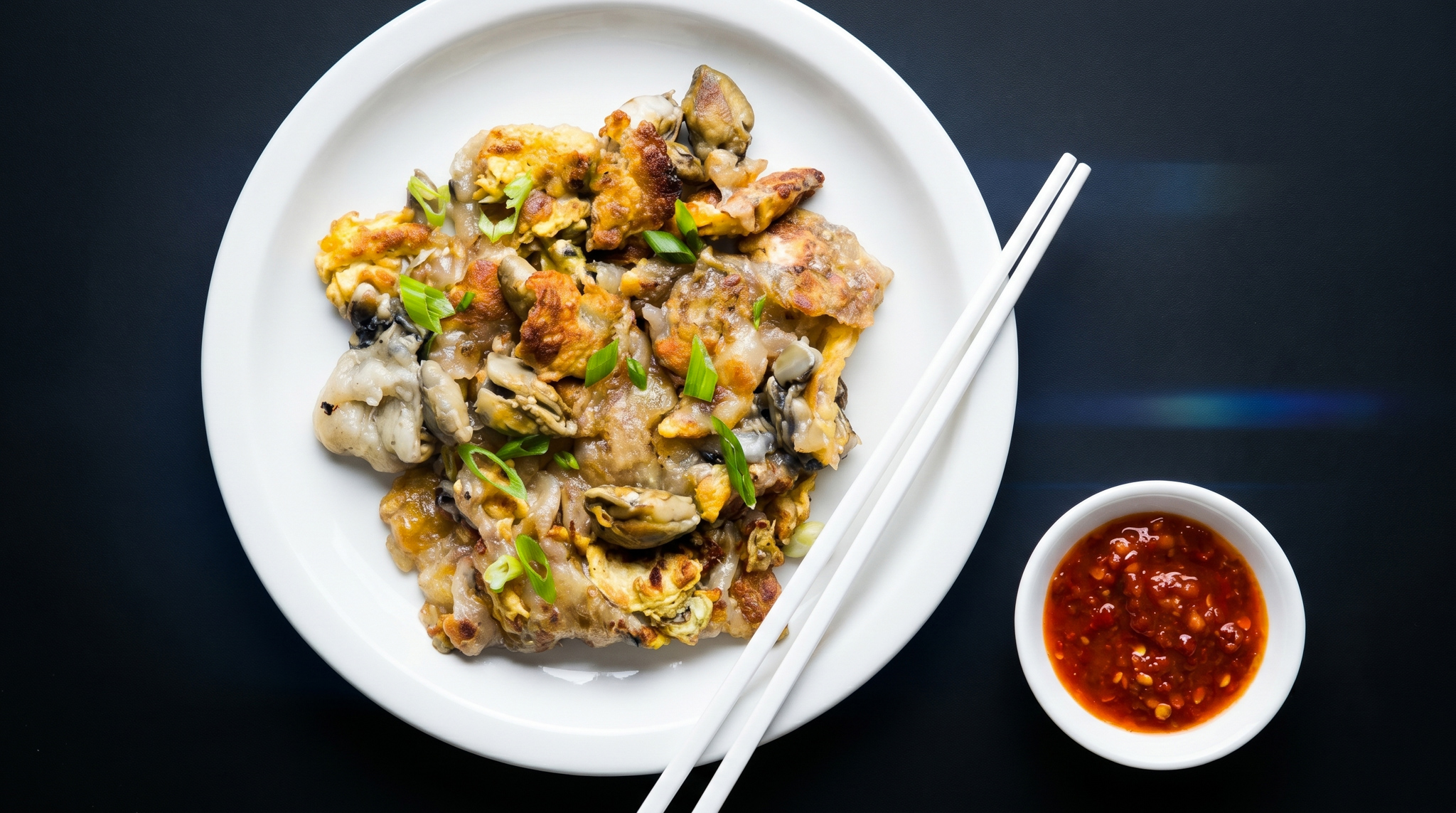
Fresh oysters or mussels cooked on a screaming-hot cast-iron pan with a batter of rice flour and egg — the edges should be crisp and lacy, the centre soft and custardy. The heat of the pan determines the quality. It cannot be rushed.
The most ordered dish in Thailand — minced pork or chicken stir-fried with fresh holy basil (not Thai basil — different leaf, different flavour), fish sauce, oyster sauce, and chilli. Served with jasmine rice and a fried egg with crispy edges. The egg is not optional.
Catfish deep-fried until it becomes a cloud of golden crispy floss, served with green mango, shallots, peanuts, and a lime dressing. A coastal Thai signature that does not travel well — the floss softens within minutes. Only good when served immediately at the cooking source.
Pork neck marinated in fish sauce, coriander root, and white pepper, grilled over charcoal until caramelised on the outside and yielding within. The Isaan dipping sauce — jeaw — is fish sauce, lime, toasted rice, dried chilli, and shallot. The combination is the point.
Glutinous rice cooked in sweetened coconut milk, served warm alongside sliced ripe mango and a drizzle of salted coconut cream. The dessert of the Gulf coast in mango season (April–June). Available year-round at tourist restaurants but genuinely exceptional only when the mango is in season and locally sourced.
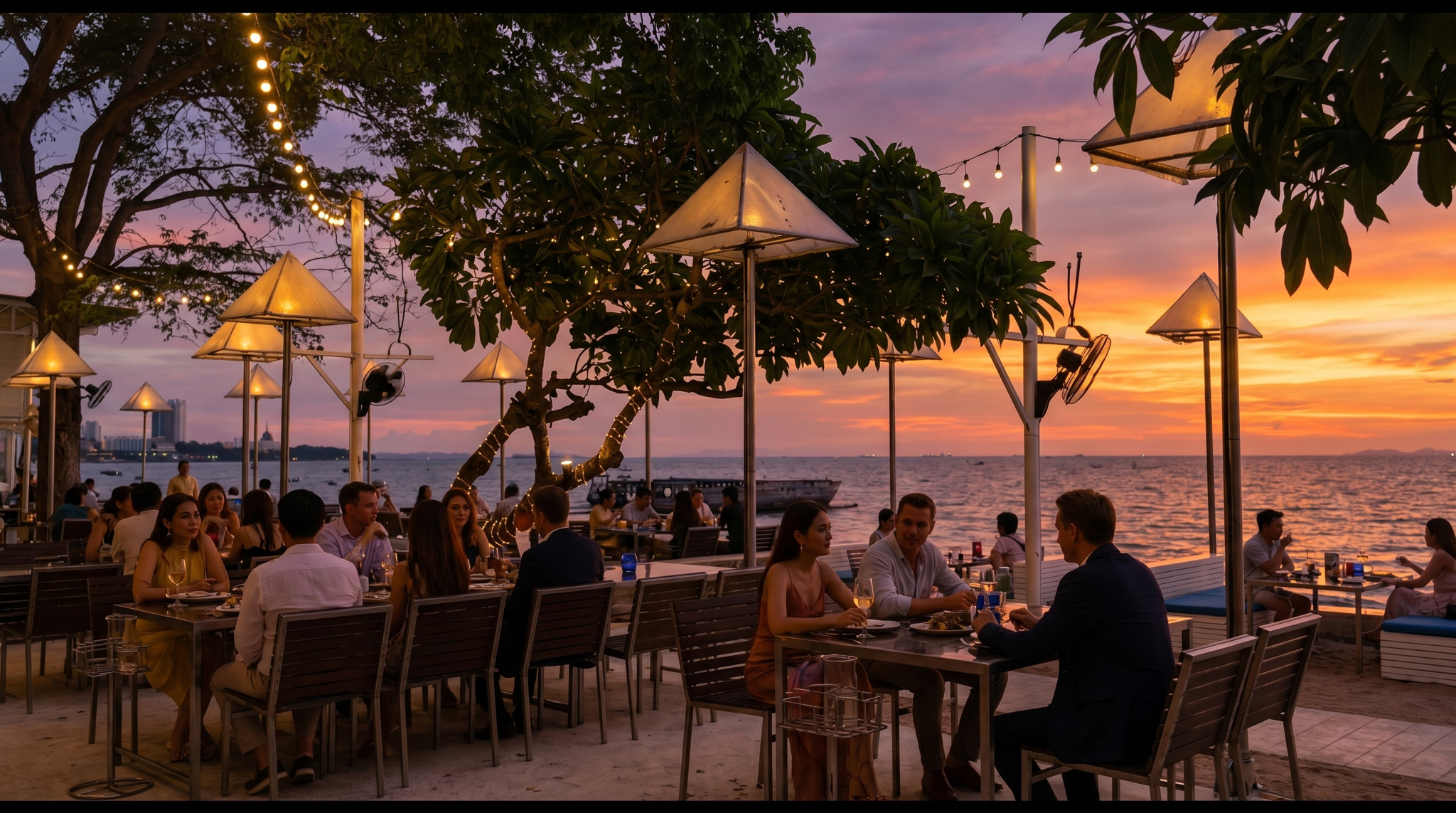
One of the most visited authentic Thai seafood restaurants in the province — a large open-air establishment built next to the water in Naklua, serving fresh seafood at genuine Thai prices with a live band performing nightly from 20:00. The catch is sourced from the adjacent Naklua fish market. The standard prawn, crab, and whole fish dishes are the best value in the region for quality. Arrive before 19:00 on weekends.
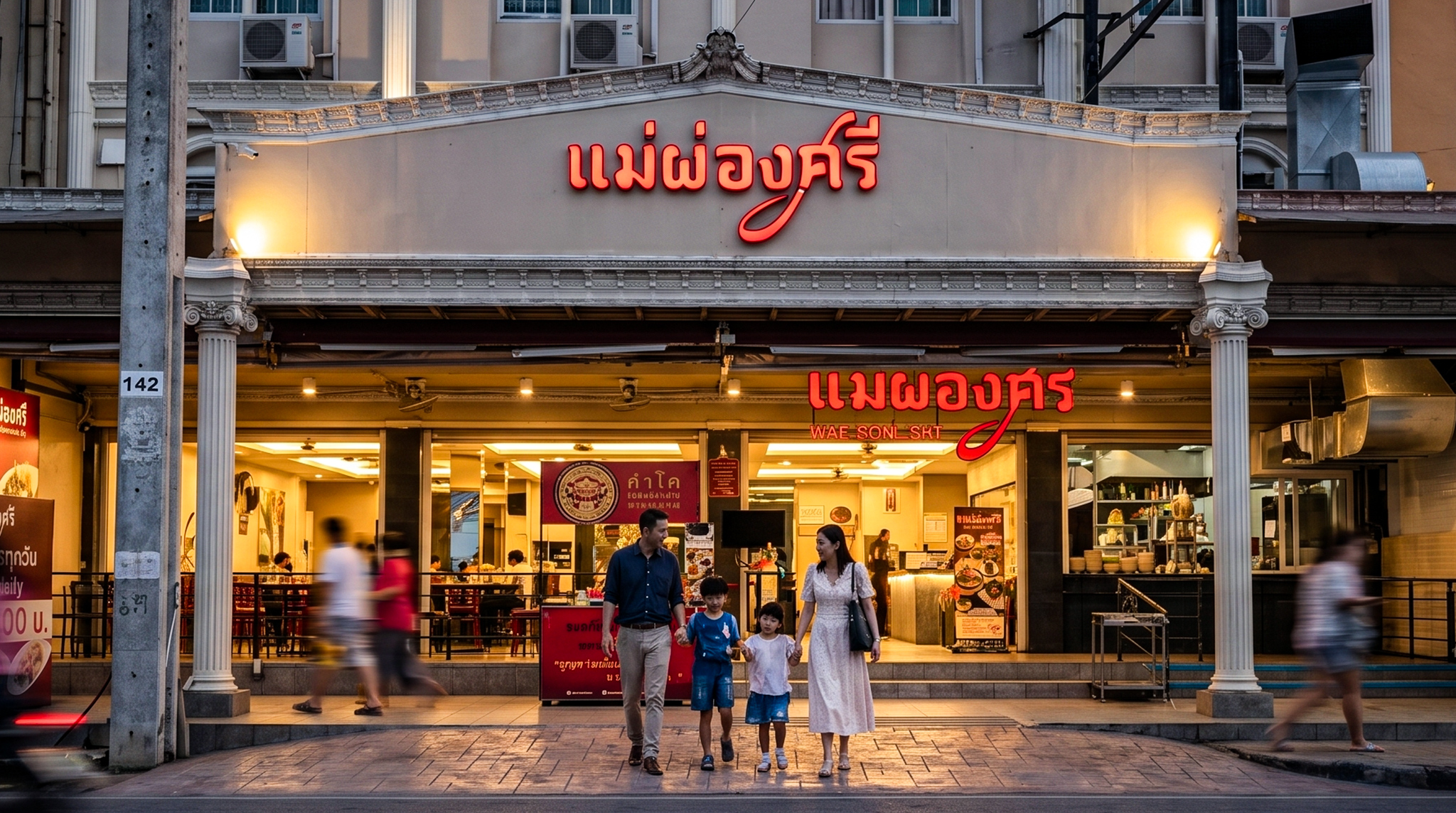
The only Michelin Bib Gourmand-listed street food destination in Pattaya — a local institution specialising in pork offal soup (khao tom moo) cooked with star gooseberry leaves. The Michelin listing recognises a kitchen that produces exceptional food at street food pricing, without any concession to tourist expectations. Affordable, authentic, and frequently busy. The offal soup is the signature. Other dishes on the menu are equally good.
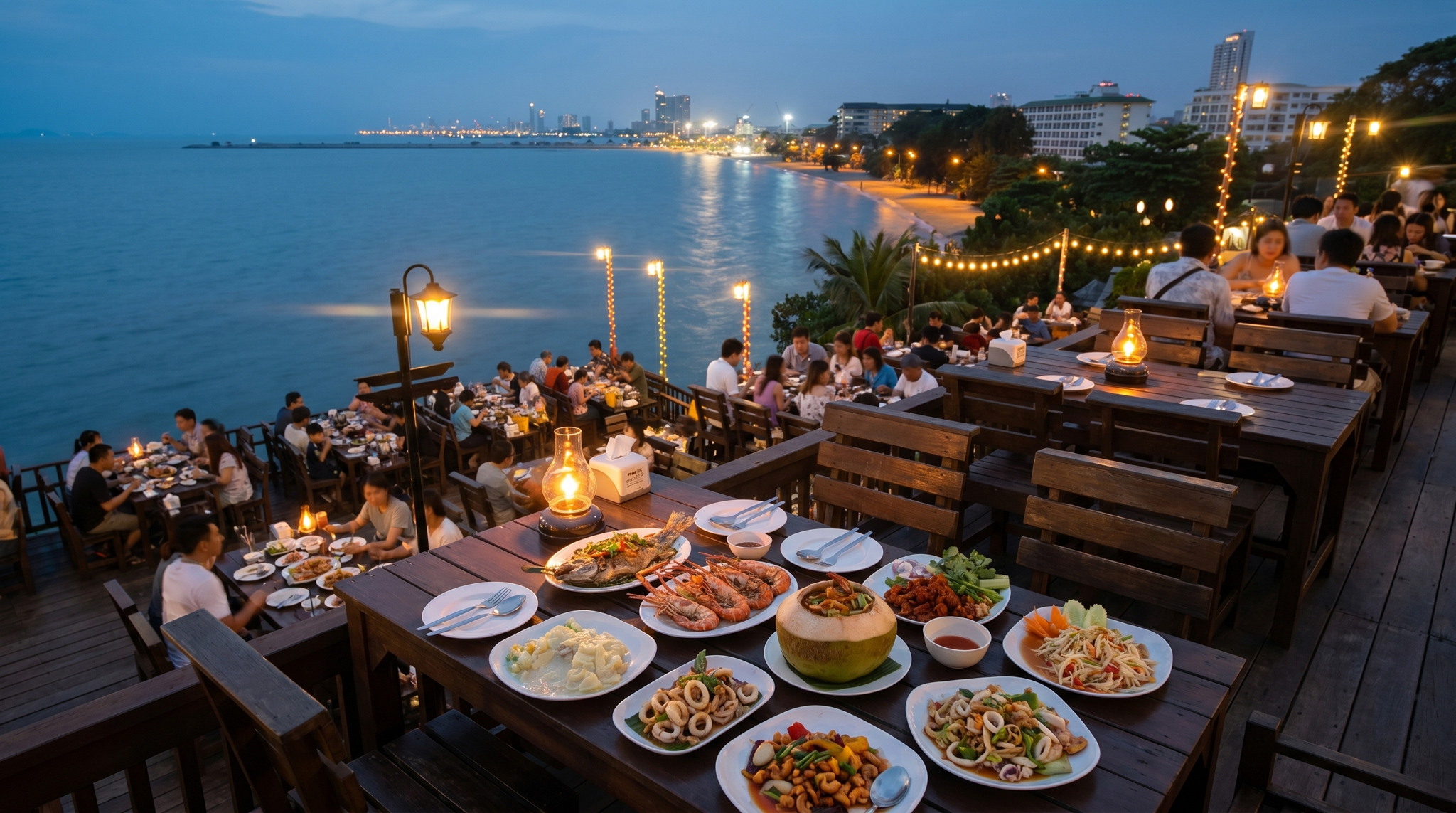
The cliffside Thai seafood restaurant at Na Jomtien that has anchored the province's authentic seafood dining reputation for over a decade. Perched above the Gulf, the view is the obvious draw — but the kitchen delivers genuine coastal Thai seafood at a standard that justifies the drive south. The mesmerising sunset view and authentic Thai seafood menu make it the most photogenic authentic restaurant in the province. Reserve for sunset dining.
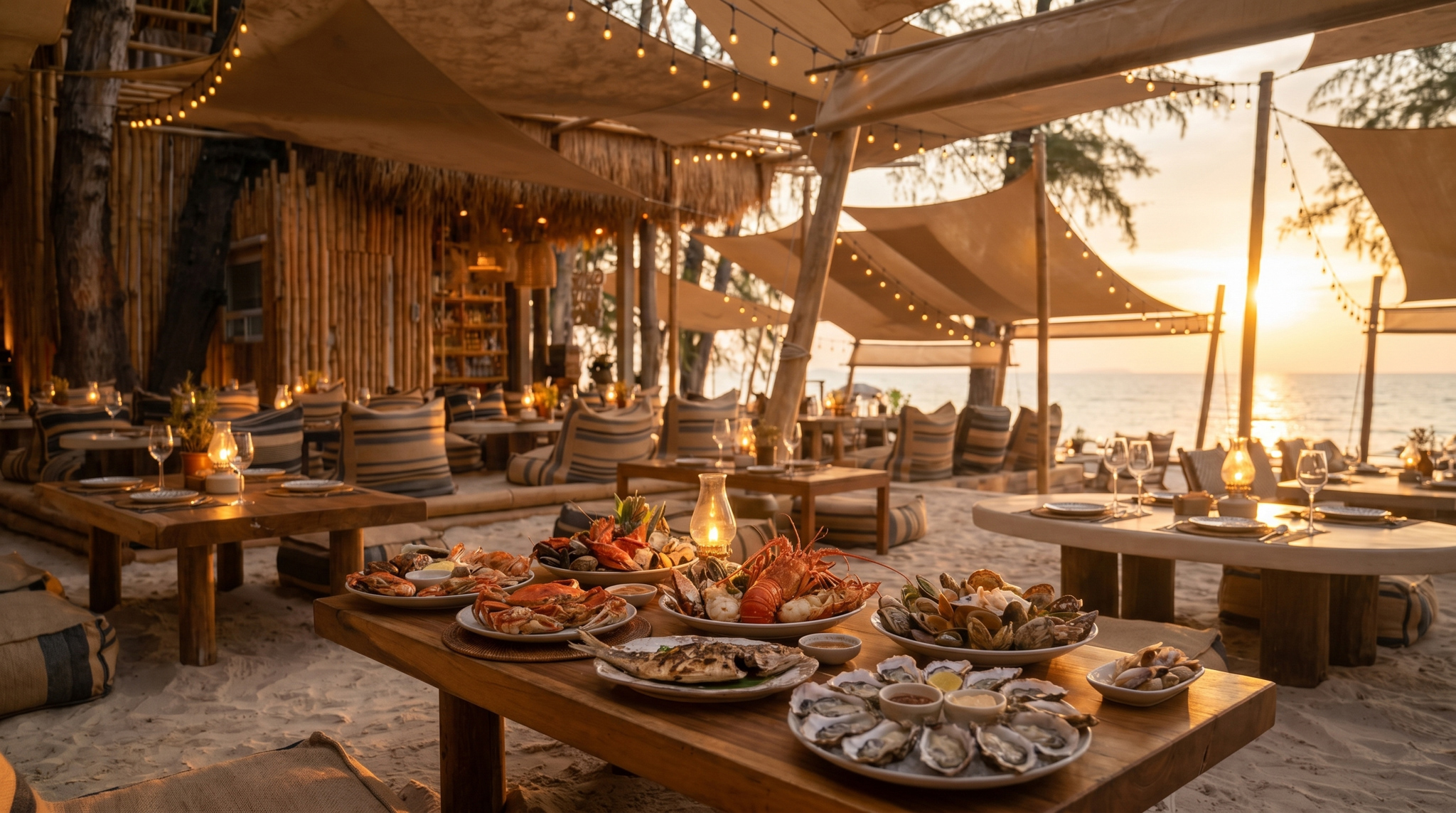
A Jomtien beachfront institution — over 170 Thai and Western dishes, indoor and outdoor seating directly above the waterline, and a consistent kitchen that has maintained quality for years. The Thai menu is the stronger argument: fresh seafood prepared to coastal Thai standards, with palm trees, a sea breeze, and sand just metres from the table. Popular for groups. Live music on weekends. Reserve a sea-facing outdoor table.
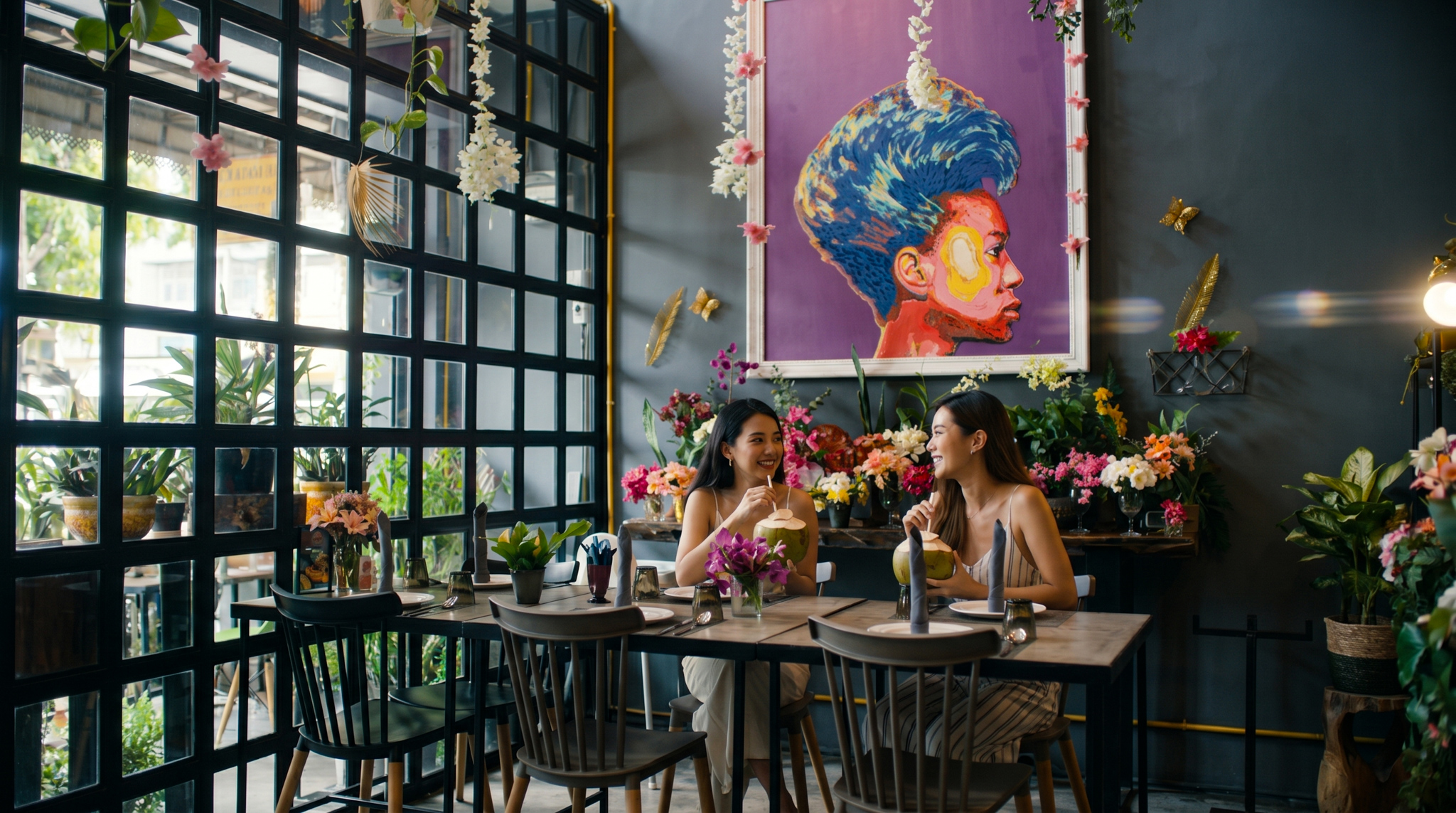
The contemporary Thai option for those who want the cuisine's full flavour range without the seafood-market setting. MAYs serves authentic Thai dishes — including a strong vegetarian selection — in a cosy, modern interior that makes it the most accessible authentic Thai restaurant for first-time visitors. The tom yum is housemade and unapologetically spiced. The menu includes vegan adaptations of traditional dishes on request.
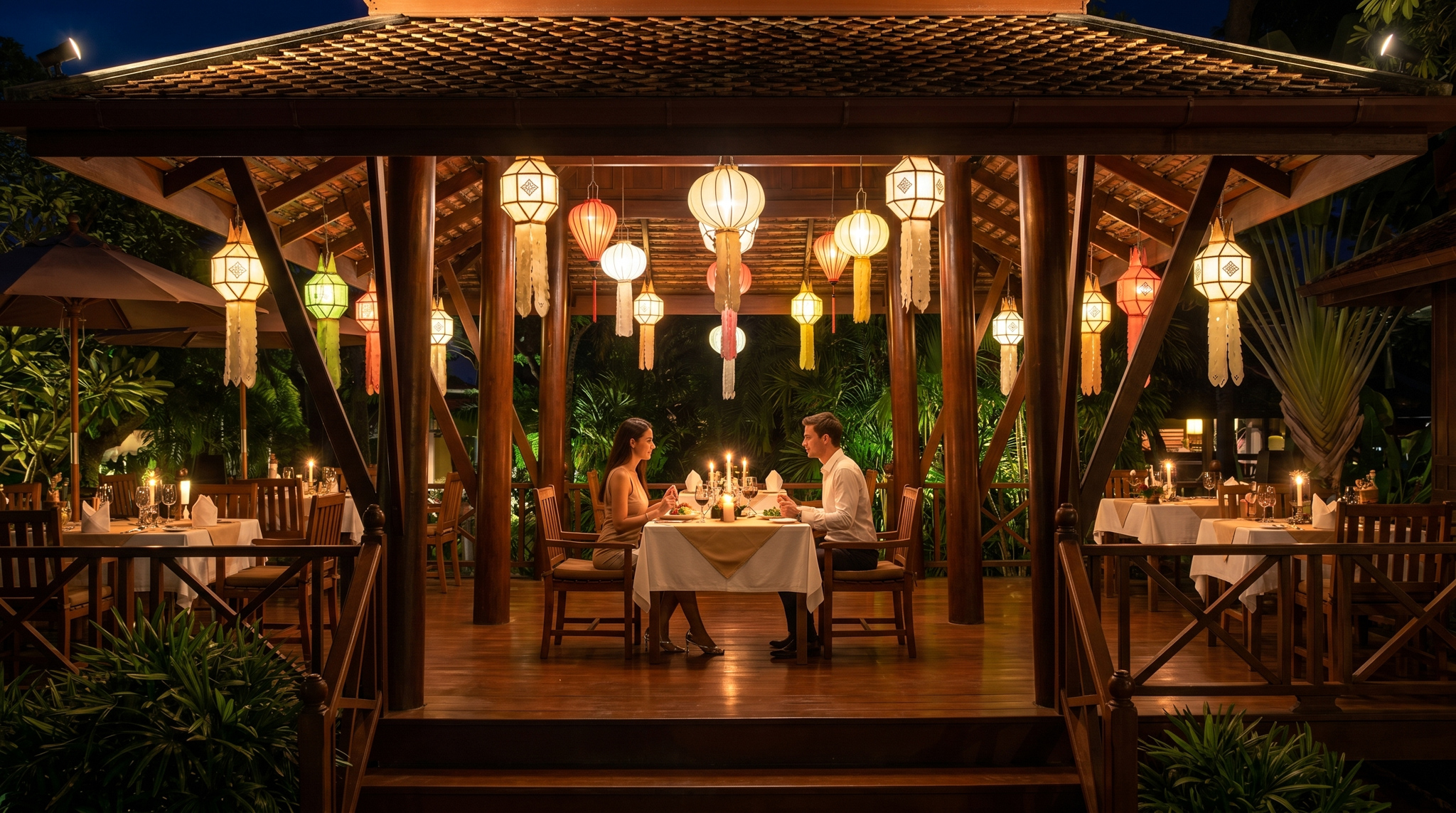
Dining set within a small forested garden — a sense of seclusion and remoteness entirely at odds with its central Pattaya address. The Sugar Hut restaurant serves traditional Thai cuisine alongside Western dishes, in a setting of teak pavilions, hanging lanterns, and tropical planting. The evening atmosphere — candlelit tables, garden sounds, soft service — makes it the most romantic authentic Thai experience in the city.
What arrives at a table in Pattaya as "Thai food" may have originated in the rice fields of northeastern Thailand, the fishing villages of the Gulf coast, the Chinese-influenced kitchens of Bangkok's shophouses, or the Muslim fishing communities of the south. Understanding the regional origin of a dish is the first step toward ordering it correctly.
Pattaya's food scene contains all four major regional traditions — Central, Isaan (Northeast), Coastal Gulf, and occasionally Southern. The restaurants on this page represent each of these traditions in their authentic form.

Effortless travel, exclusive access, and always-on intelligence — AVA knows Pattaya better than anyone.
AVA