 Experience Pattaya City
Experience Pattaya City
Experience Pattaya City
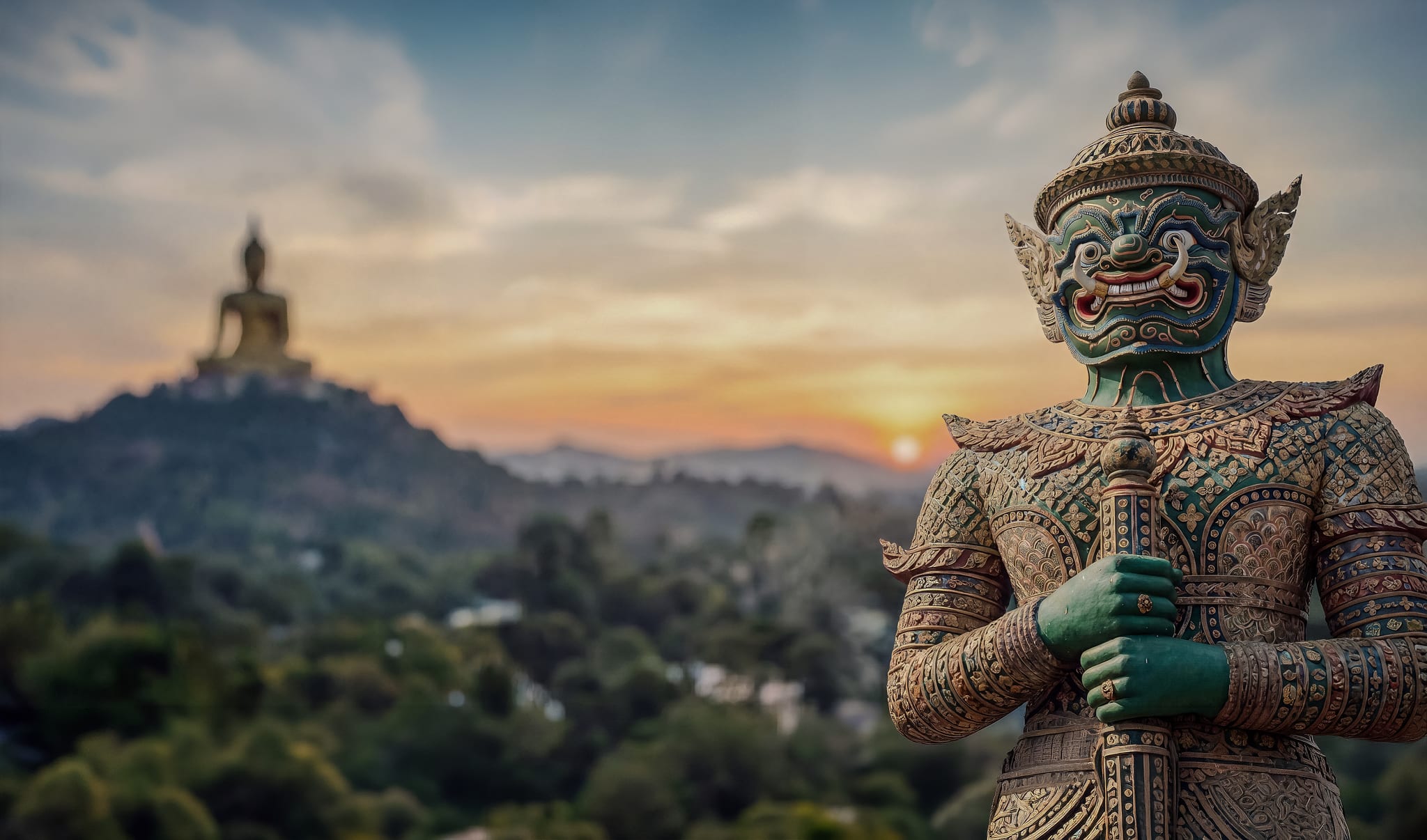
Seven destinations. One province. A coastline that contains more distinct worlds than most countries. This is where your exploration begins.
From a fishing village of 3,000 souls in 1960 to a coastal city visited by over 10 million people annually, Pattaya's transformation is one of the most remarkable in Southeast Asia. But the city is not defined by that transformation alone — it is defined by what survived it. The Naklua fishing communities still launch their boats at dawn. The temple calendar still governs local life. The Gulf still shapes what the city is and what it chooses to become.
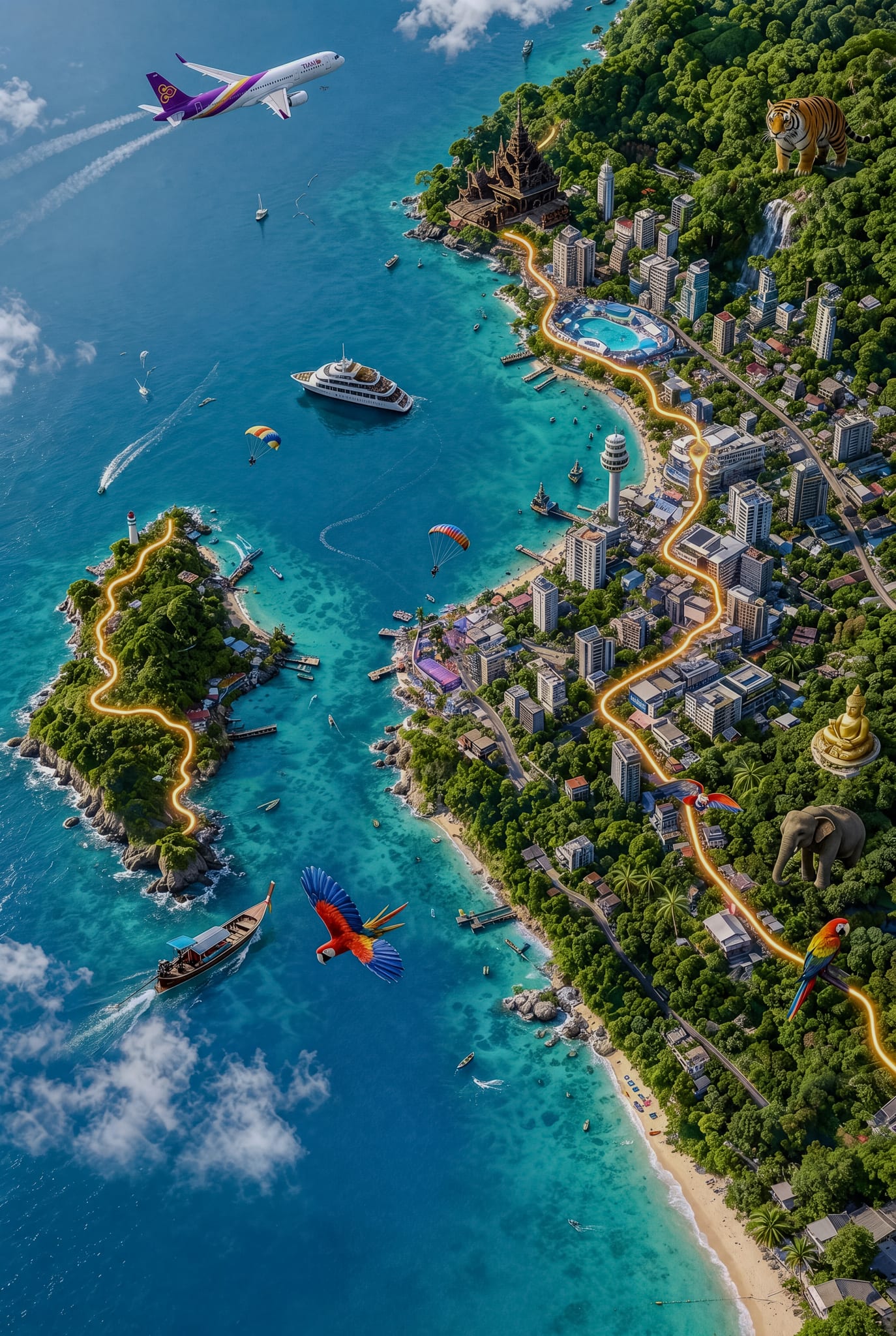
The geography of Pattaya and Chonburi Province is not intuitive from a hotel room. The distances are short but the differences are vast — a ten-minute drive separates a fishing village from a five-star resort from a 105-metre wooden temple. The interactive map gives you the spatial logic of the province before you arrive, so that every journey has a destination rather than a direction.
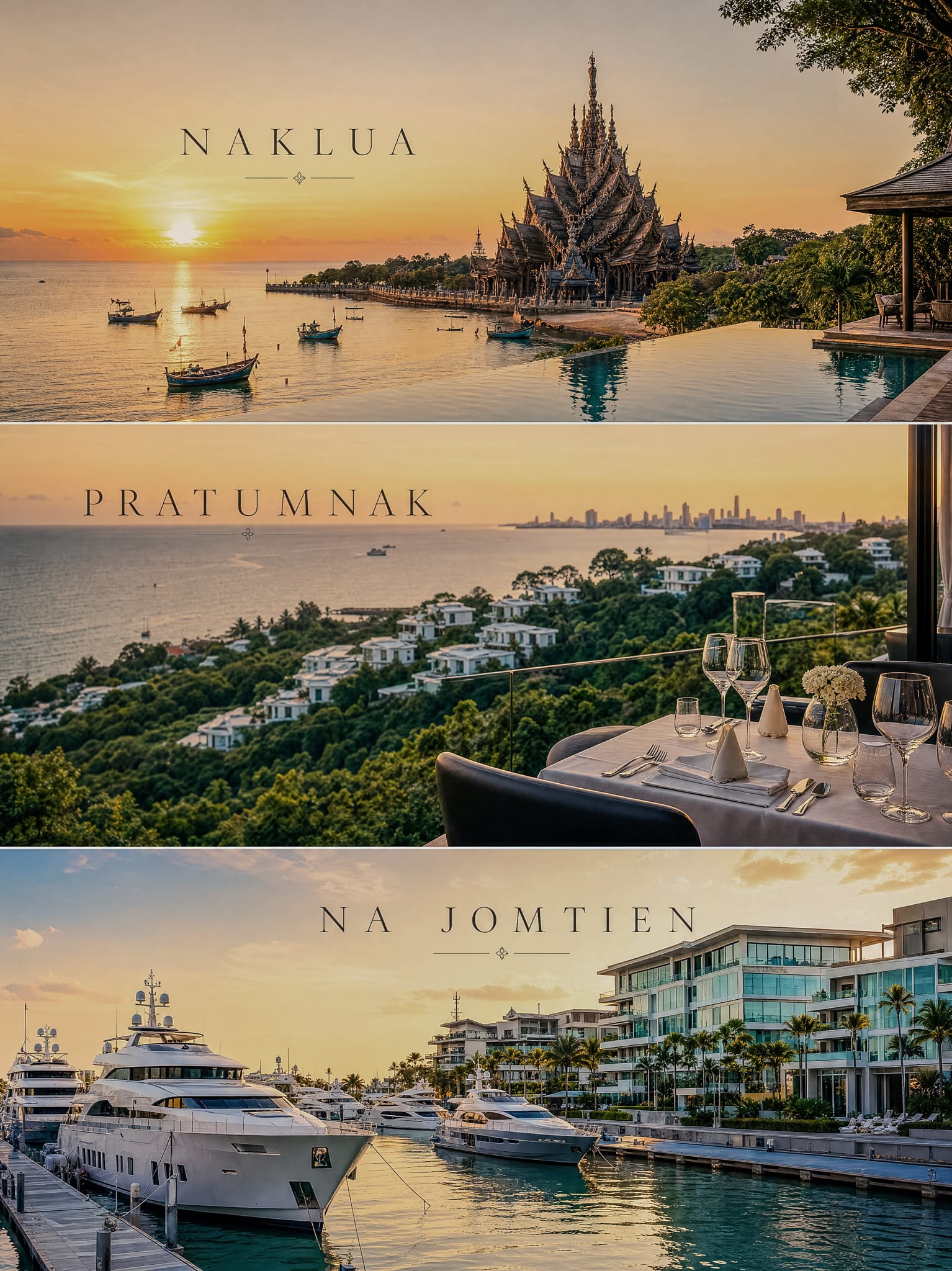
To understand Pattaya is to understand that it is not one city — it is three. Each coastal zone operates at its own register, attracts its own audience, and carries its own institutional logic. A production scout, a sovereign wealth fund delegate, and a wellness retreat guest will each find their city. And they will never need to share it.

Pattaya is bidding for UNESCO Creative City of Film status by 2027 — and the candidacy is built on 60 years of verified international production history. From Roland Joffé's Oscar-winning The Killing Fields to Netflix's Money Heist Season 3, from Bollywood spectaculars to Jason Statham action sequences, the province's coastal landscapes, temples, and urban architecture have served as sets for global cinema without ever seeking the credit.
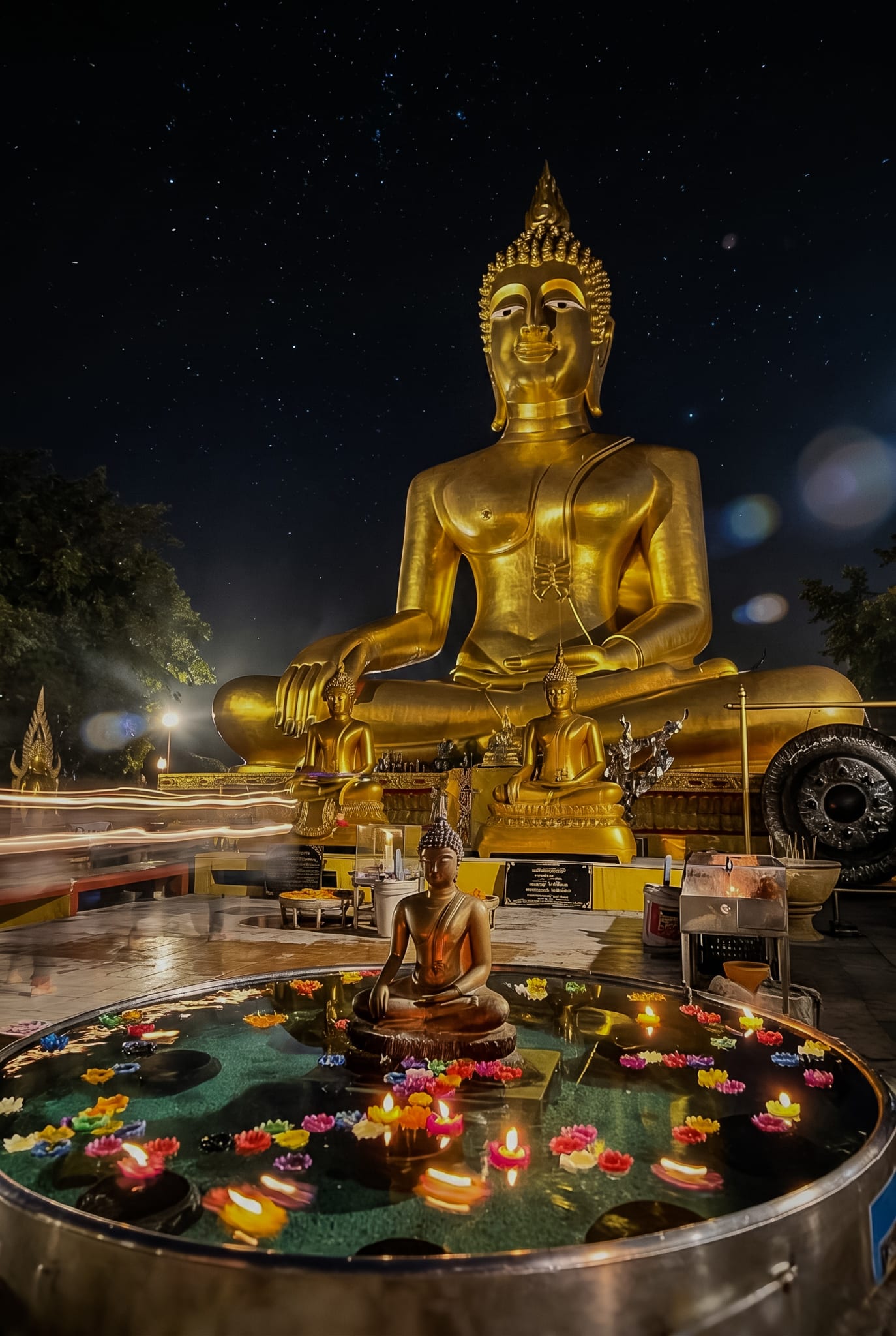
Beneath the coastline's modern ambition lies a civilisation that has been building temples, offering incense, and reading the stars for over a thousand years. More than 400 temple compounds serve Chonburi Province's communities. 94% of the population identifies as Theravada Buddhist. The faith is not demographic background noise — it is the architecture of daily existence, shaping how time is measured, how decisions are made, and how the dead are honoured.
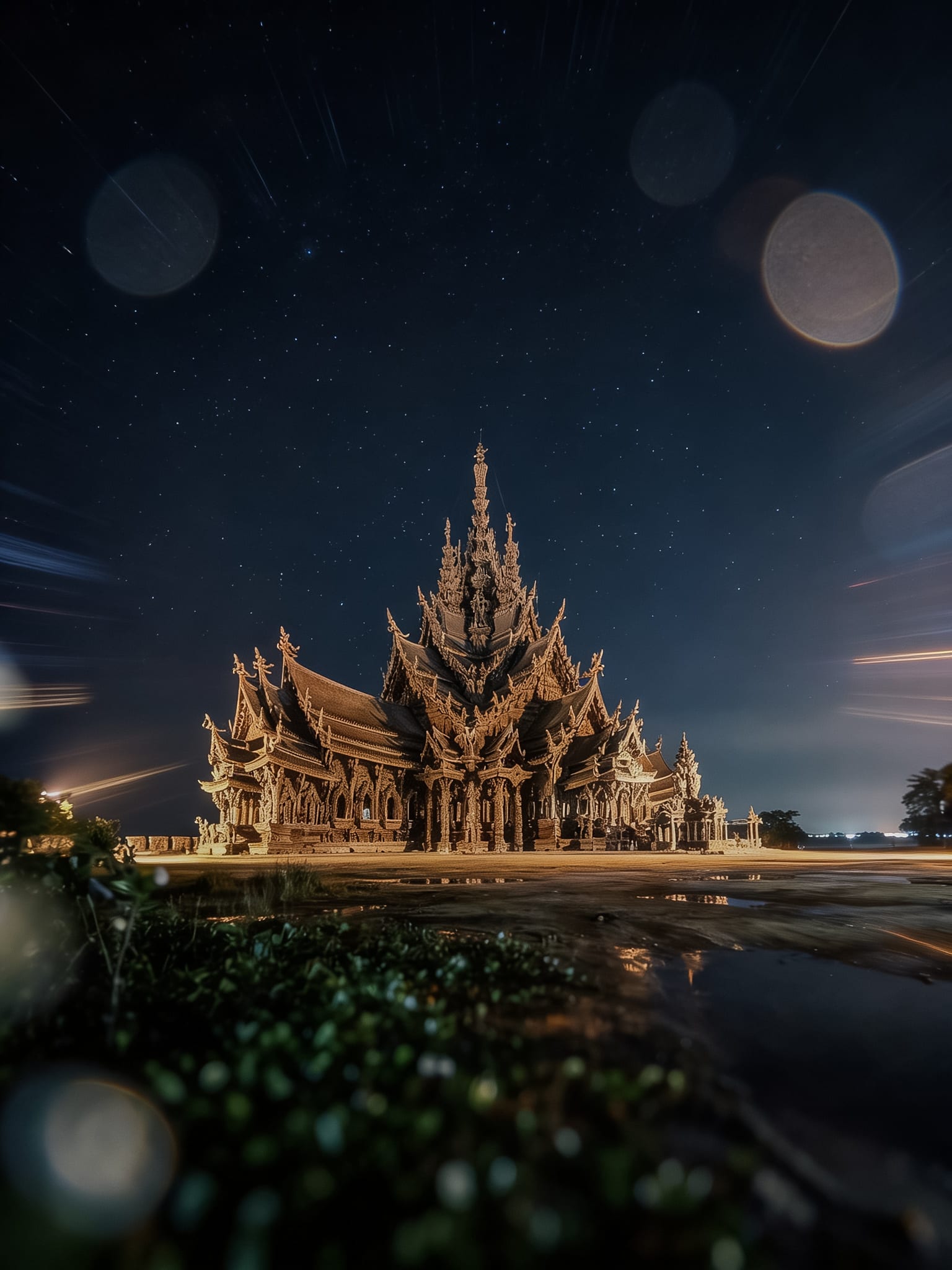
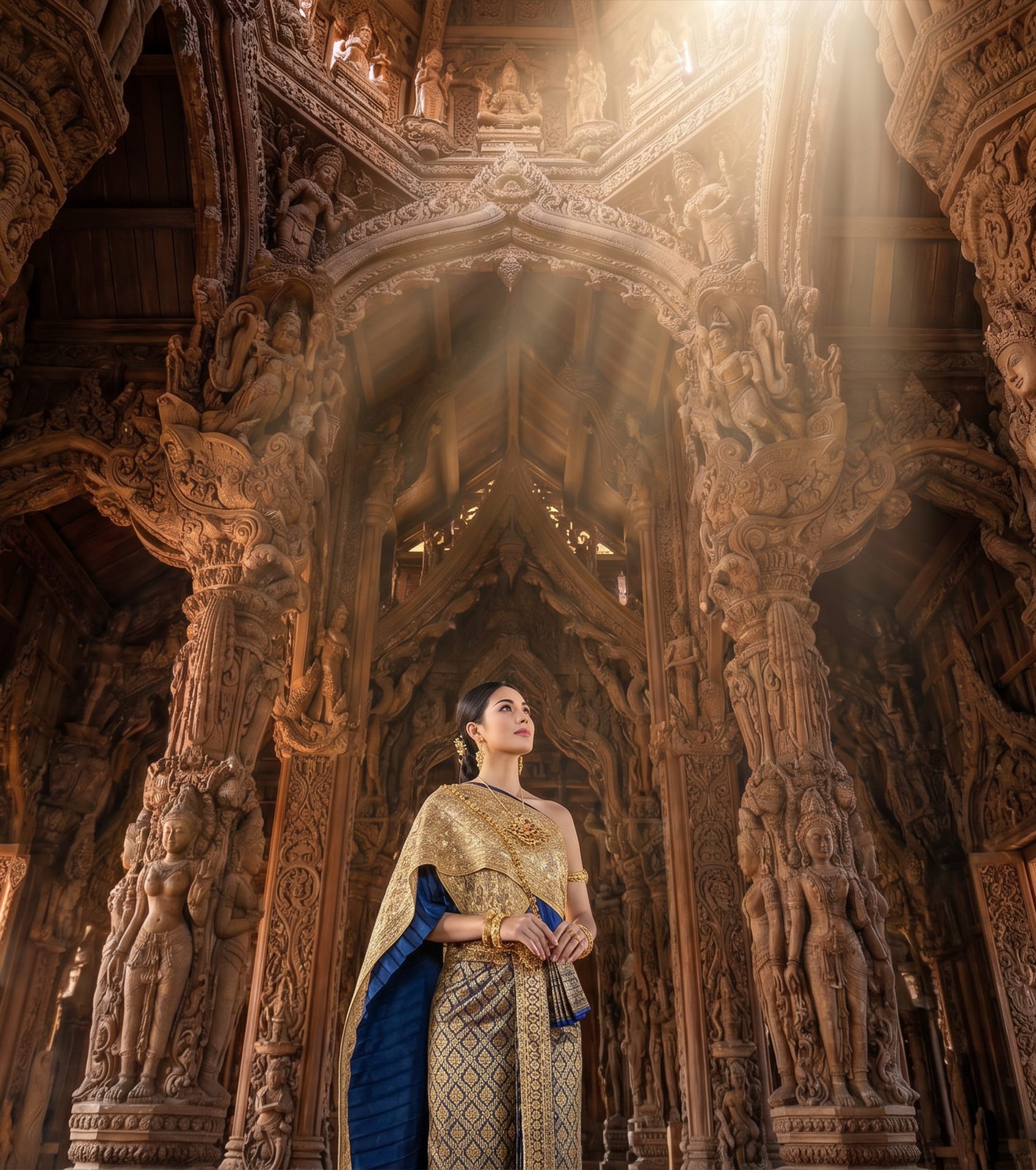
There is no comparable structure in the world. Soaring 105 metres above the Gulf, the Sanctuary of Truth is the largest wooden castle on earth — built entirely without a single metal nail, still under active construction since 1981, and still in daily production as master carvers inscribe infinite detail into ancient timber. This is not a monument to the past. It is a monument that has not finished being built.
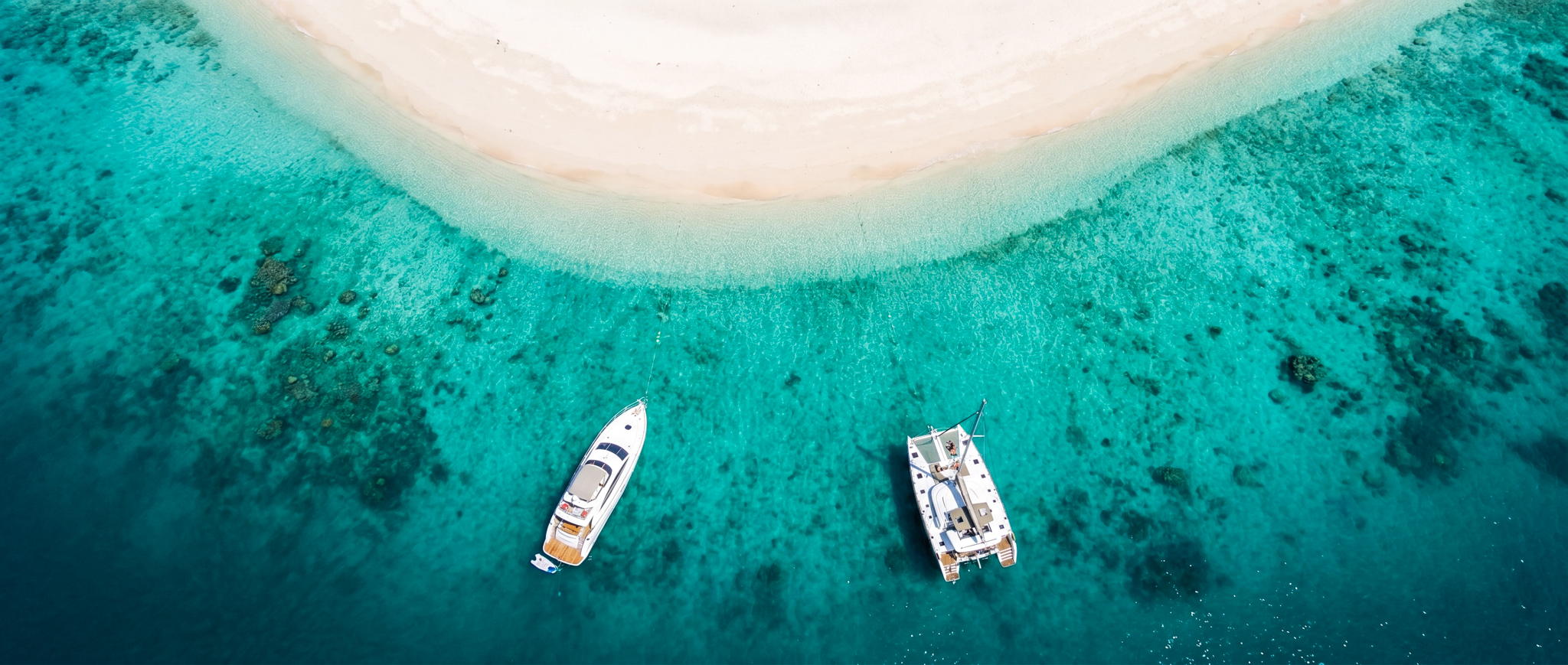
Beyond the city, the province opens. A coastline of 160 kilometres running from the industrial port of Laem Chabang in the north to the Royal Thai Navy's protected beaches in the south. Along this arc, the Gulf of Thailand reveals itself in registers that no single resort can contain — from the coral reefs of Koh Larn to the 1876 fish market of Ang Sila, from the royal ruins of Koh Si Chang to the sea turtle conservation centre of Sattahip.
Every page in this Explore section connects to a full editorial destination — deep content, verified facts, and the cultural context that turns a visit into an understanding.
Continue to Coastal Chonburi →
Effortless travel, exclusive access, and always-on intelligence — AVA knows Pattaya better than anyone.
AVA