 Experience Pattaya City
Experience Pattaya City
Experience Pattaya City
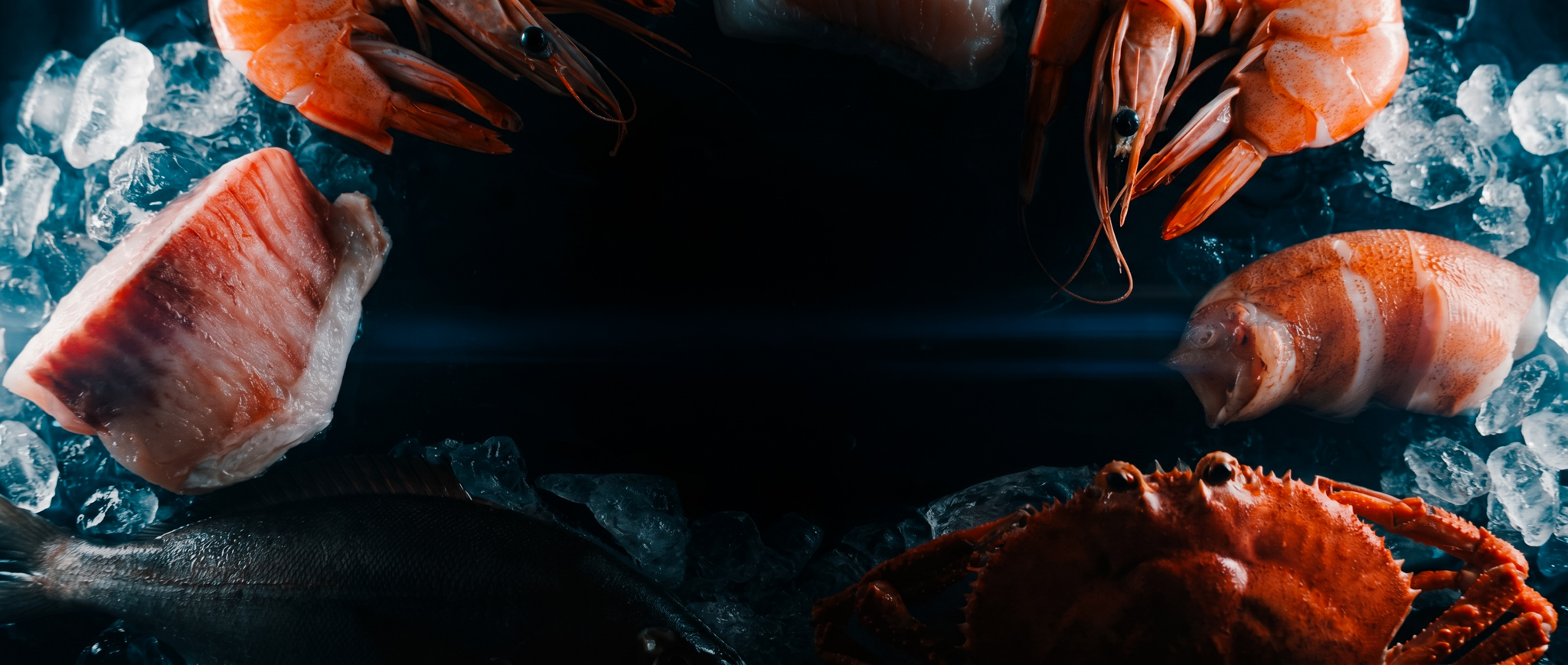
The Gulf delivers its catch before dawn. By 6am the ice is packed, the price is set by the weight, and the morning belongs to whoever arrived first. This is not a food tour. It is the supply chain.
Explore the MarketsChonburi Province sits on a coastline that has been supplying Bangkok with seafood since the 19th century. The fishing communities of Naklua, Ang Sila, Si Racha, and Ban Amphur still operate on the same pre-dawn schedule — boats returning between 4:00 and 6:00am, catch transferred to ice directly on the pier, prices negotiated before the sun rises.
What the markets offer a visitor is a direct encounter with the actual food economy of coastal Thailand — not a sanitised version. The Ang Sila market has been running since 1876. The Naklua fish market opens before any hotel breakfast. The price you pay is the same one the local restaurant owner pays. Nothing is packaged for tourism, because it was never designed for it.
"In Pattaya, the distance between the sea and the plate is measured in minutes, not miles."
Five seafood markets across the Chonburi coastline — each with a different character, a different catch, and a different time to arrive. Best visited before 8am.
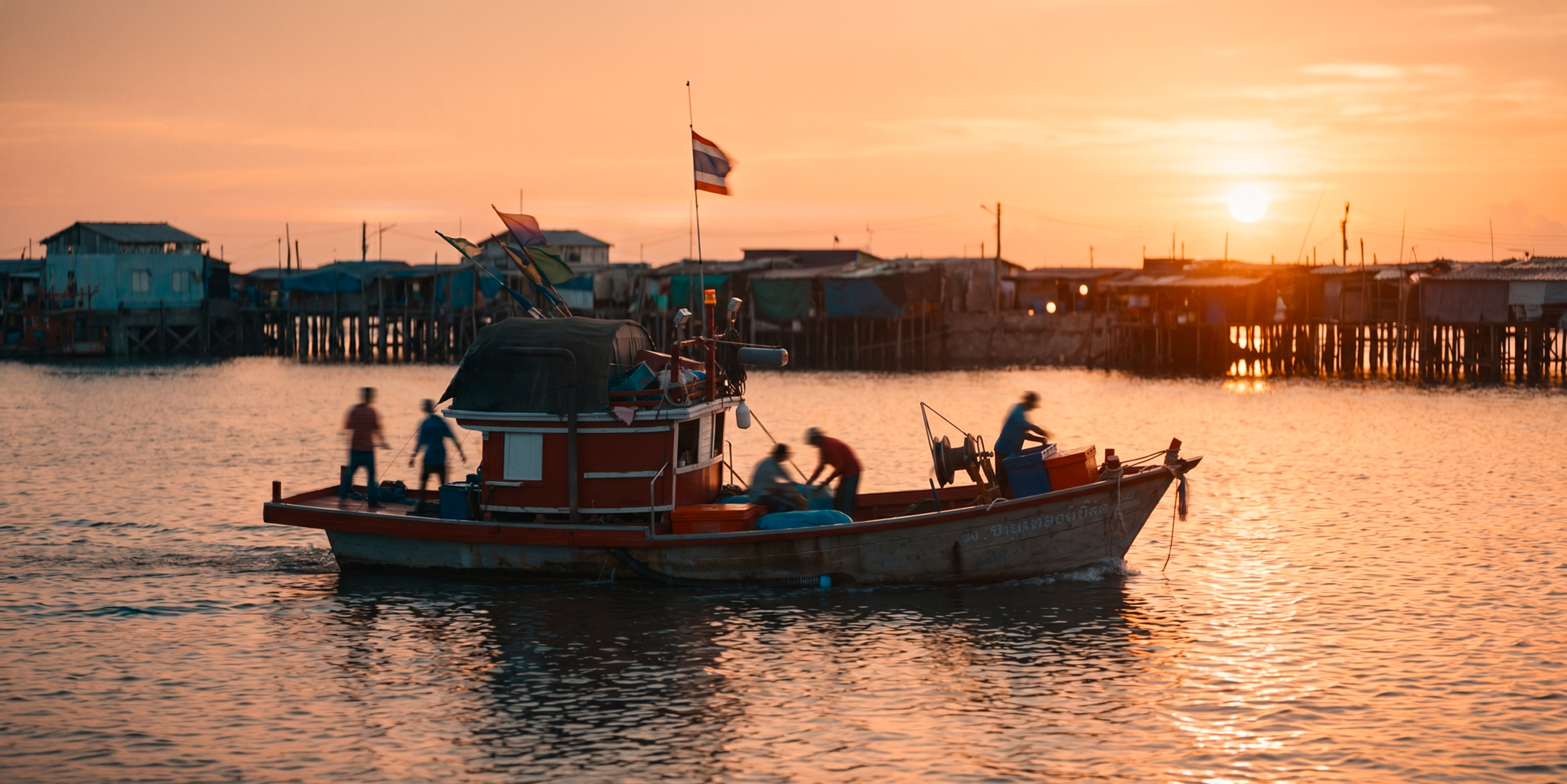
The oldest active fish market in Pattaya — operating from the same wooden pier that launched the city's fishing economy. Arrive between 4:00 and 6:00am to see the full catch transfer from boat to ice. By 7:30, the best species are gone.
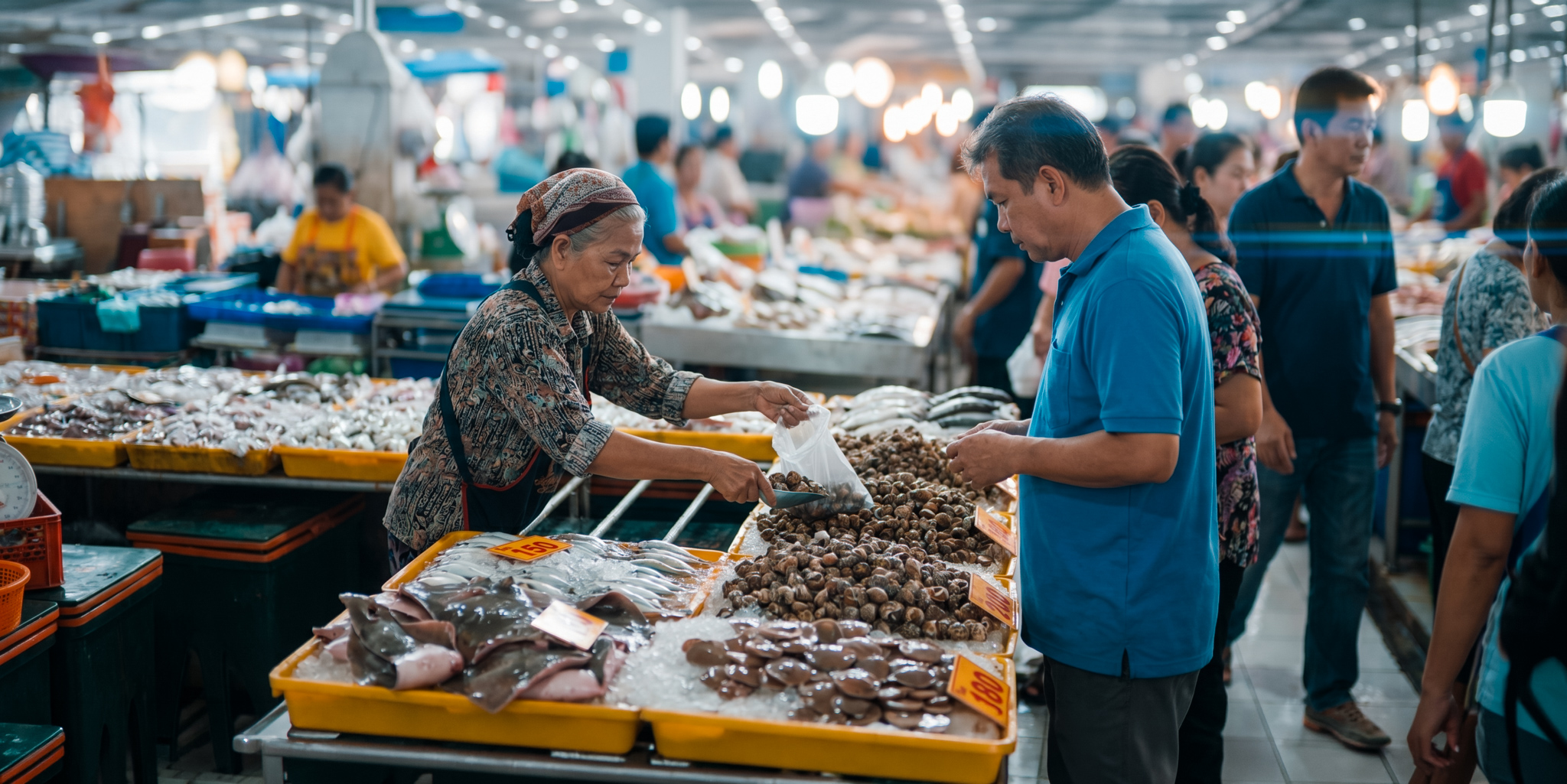
The market that has been running continuously since 1876 — a covered seafood and local produce market in a fishing village north of Bang Saen. Stone mortar production (Ang Sila literally means "stone basin") runs alongside the fish stalls. The architecture has not changed in 50 years.
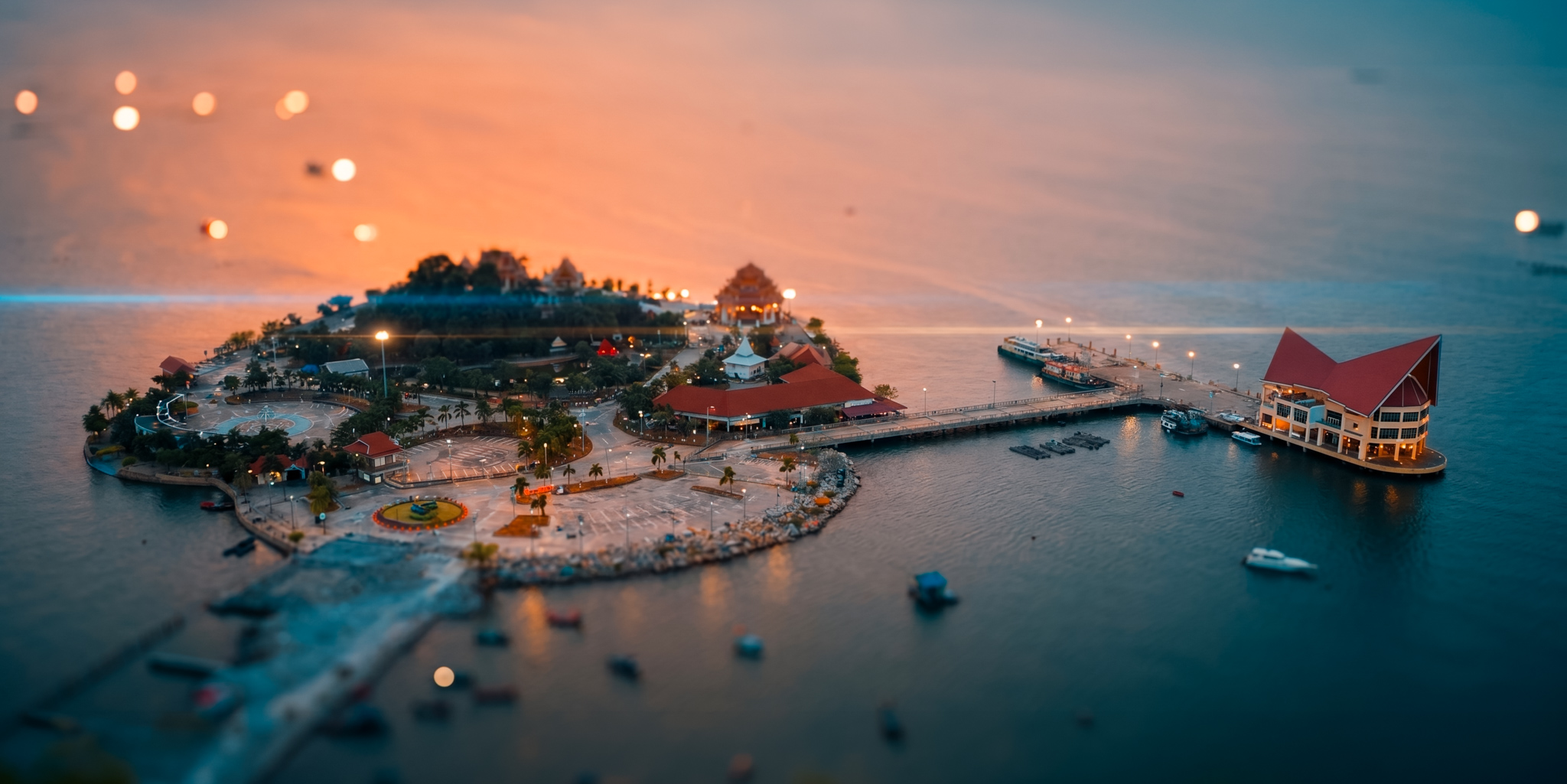
The pier market of Si Racha — a working port town where the wooden jetties extend directly into the Gulf. Known for fresh crab, mantis shrimp, and the original Sriracha sauce produced by local manufacturers. The ferry to Koh Si Chang departs from the same pier every 40 minutes.

The counterpoint to the dawn markets — Thepprasit operates Friday to Sunday evening from 17:00. Fresh seafood grilled directly on charcoal, king prawns sold by size, whole fish priced by weight. The largest and most varied seafood night market in the province. Arrive before 18:30 for the freshest selection.
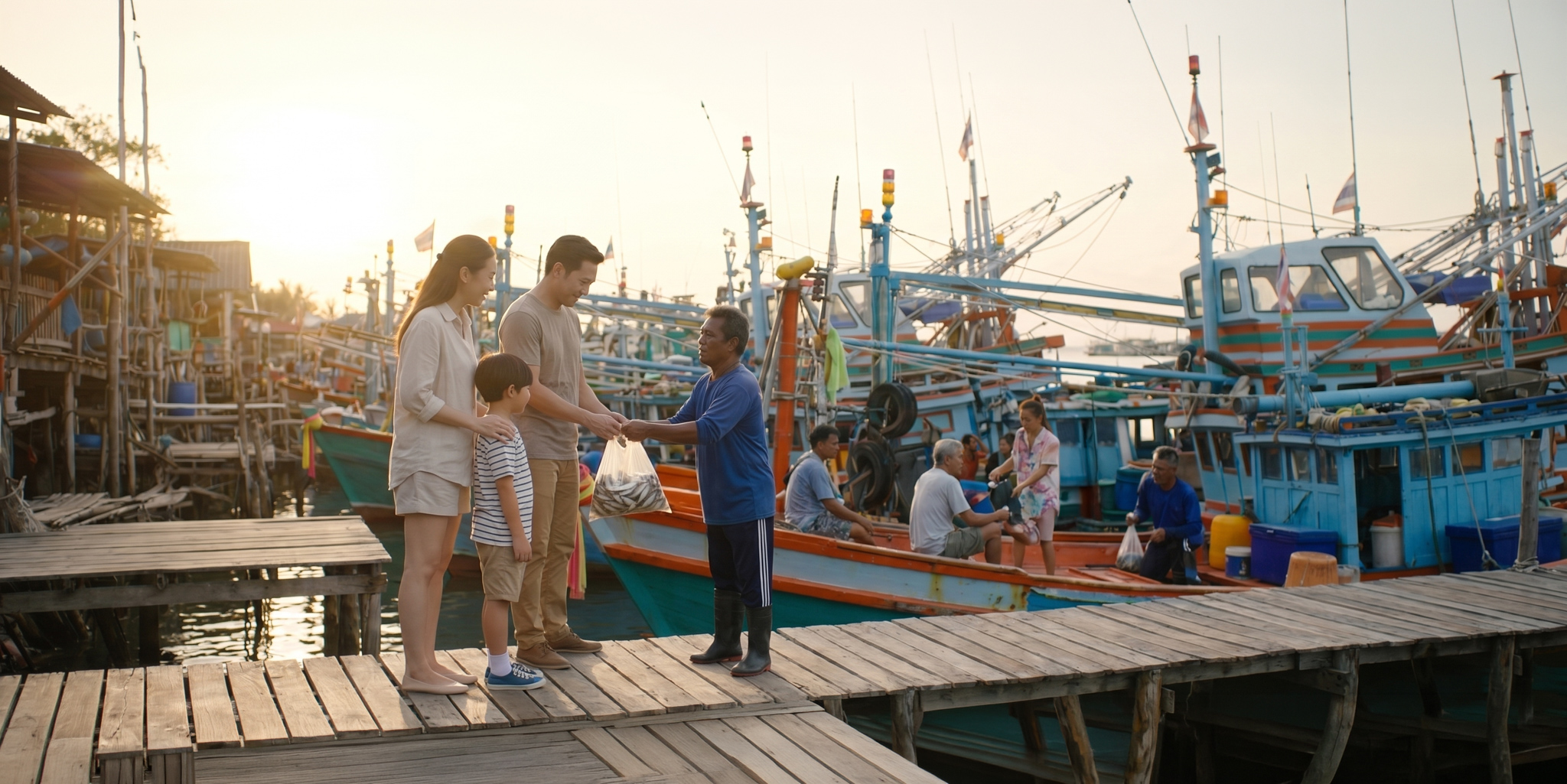
The most local of the five markets — a small harbour south of Pattaya where fishing families sell direct from the boat, without stalls or middlemen. Squid, mackerel, and snapper at prices that have nothing to do with the tourist economy. No English signage. No tourism infrastructure. Exactly as intended.
Each market in Chonburi Province operates on its own distinct schedule, sells a different mix of species, and attracts a different audience. Understanding which to visit — and when — is the difference between an extraordinary morning and an empty stall.
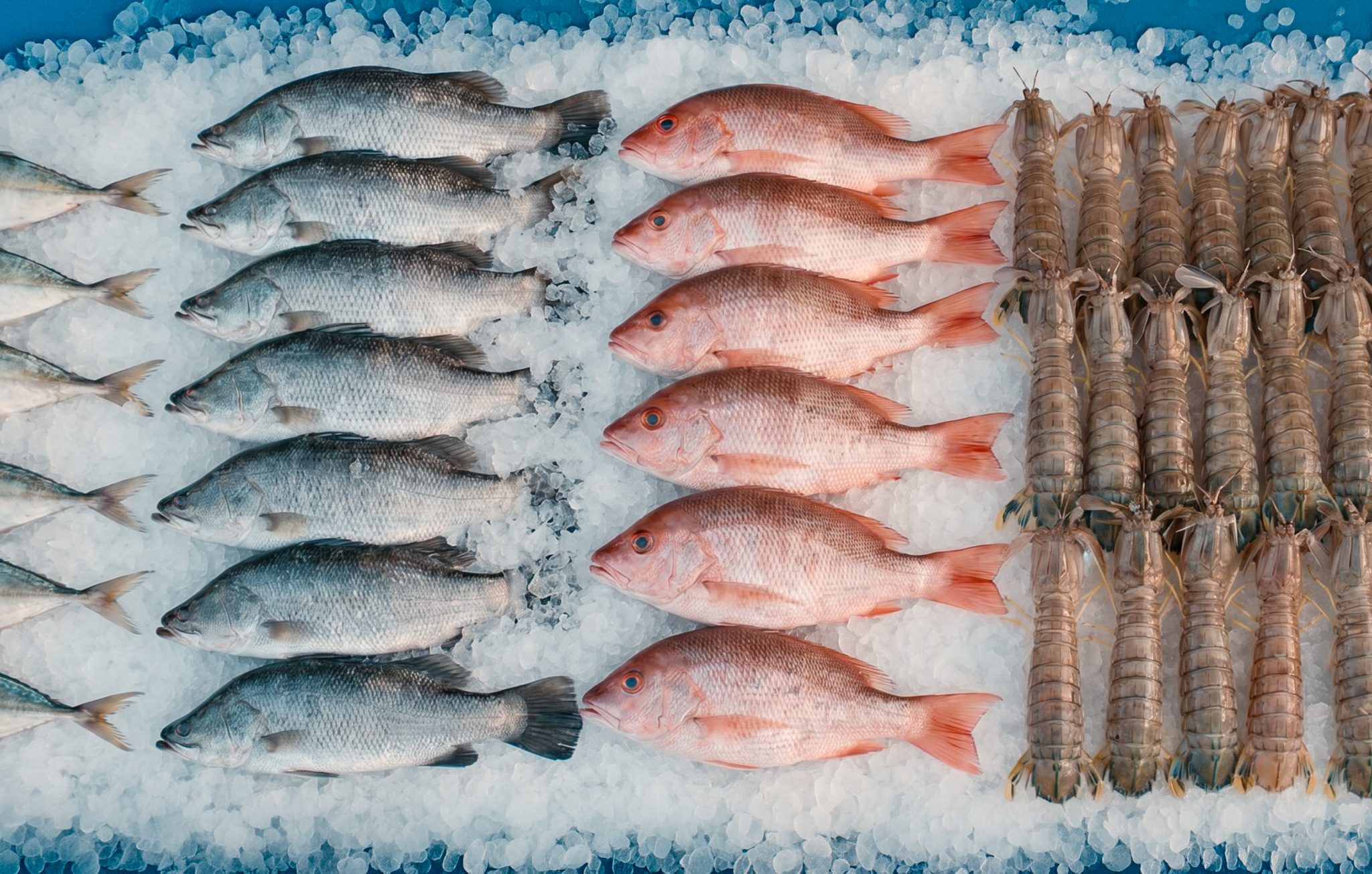
The city's oldest pier market — Naklua's fishing community still lands their catch before dawn and prices it by weight on the dock. Speciality: whole sea bass, red snapper, and live mantis shrimp. Best visited with a local contact who can cook the purchase directly at their home kitchen. The restaurants adjacent to the pier charge a small preparation fee.
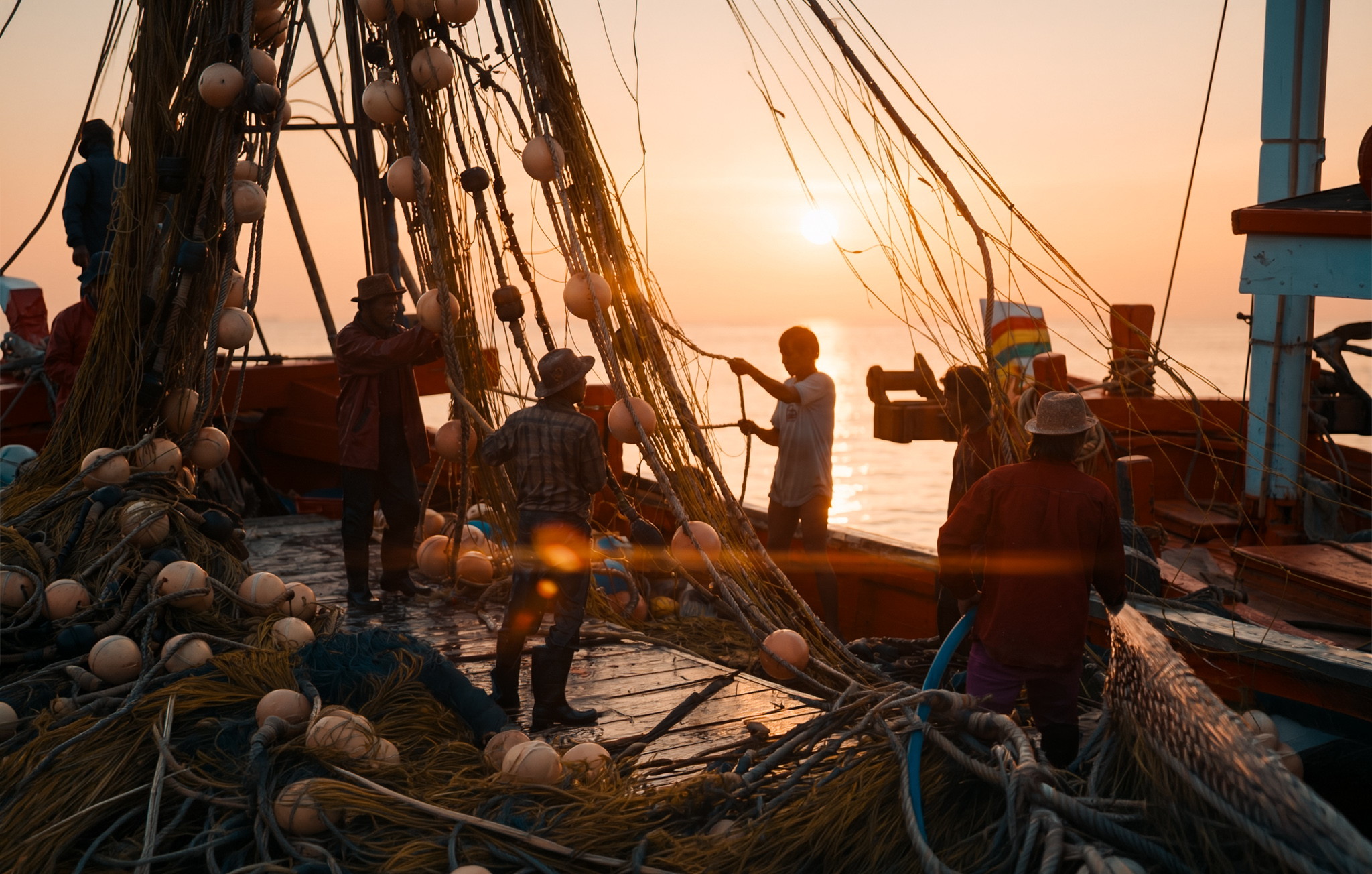
A 150-year-old covered market in a village that predates Pattaya's tourism economy by a century. The name derives from the stone mortar production that still operates here — carved from a specific type of local granite. The seafood section sells fresh and dried catch alongside traditional Thai condiments, fermented shrimp paste, and locally made fish sauce. A complete culinary archive.
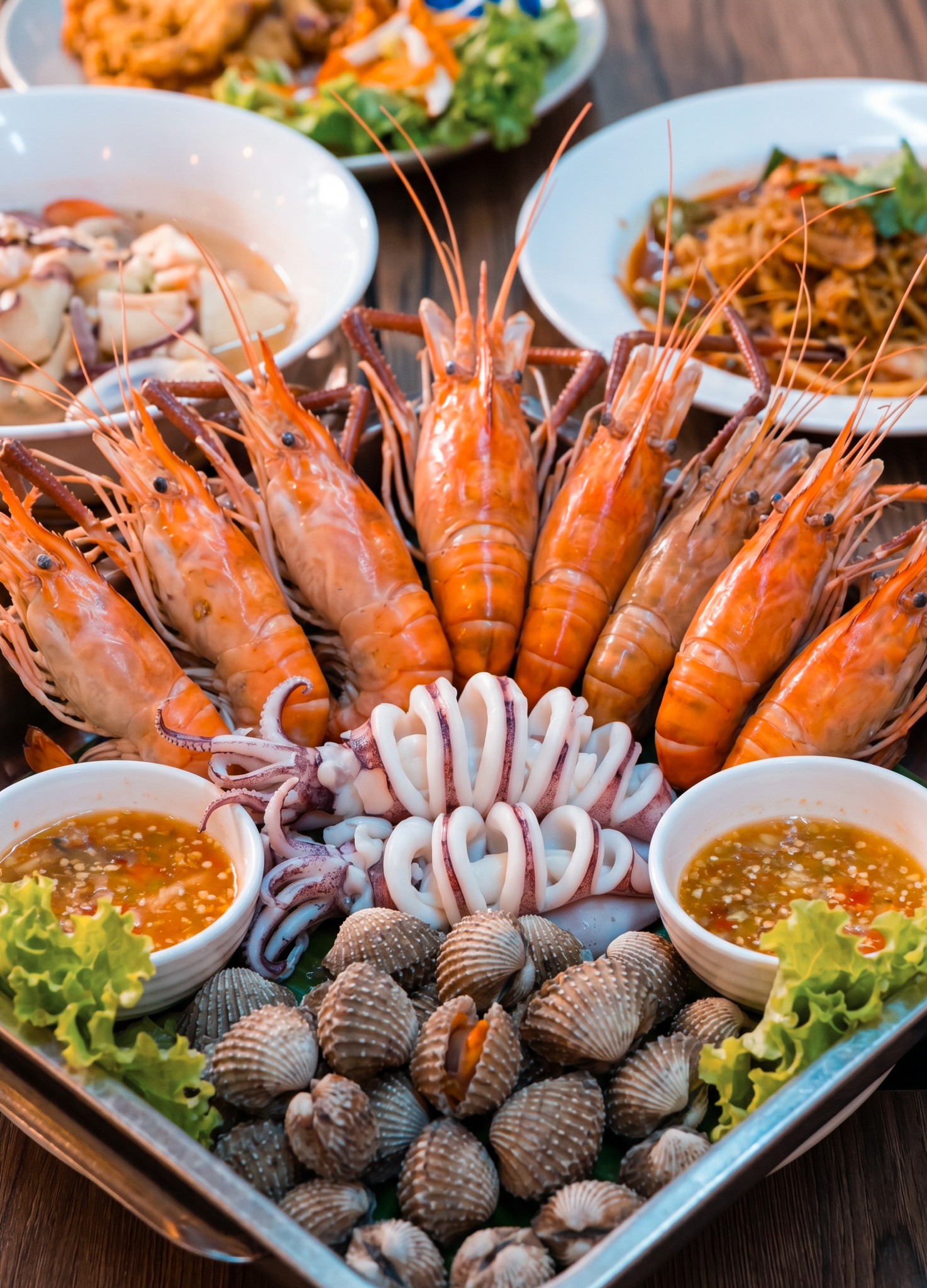
Origin of the world's most copied hot sauce — and still producing the original. The pier market sells live crab, mantis shrimp, and seasonal Gulf specialities.
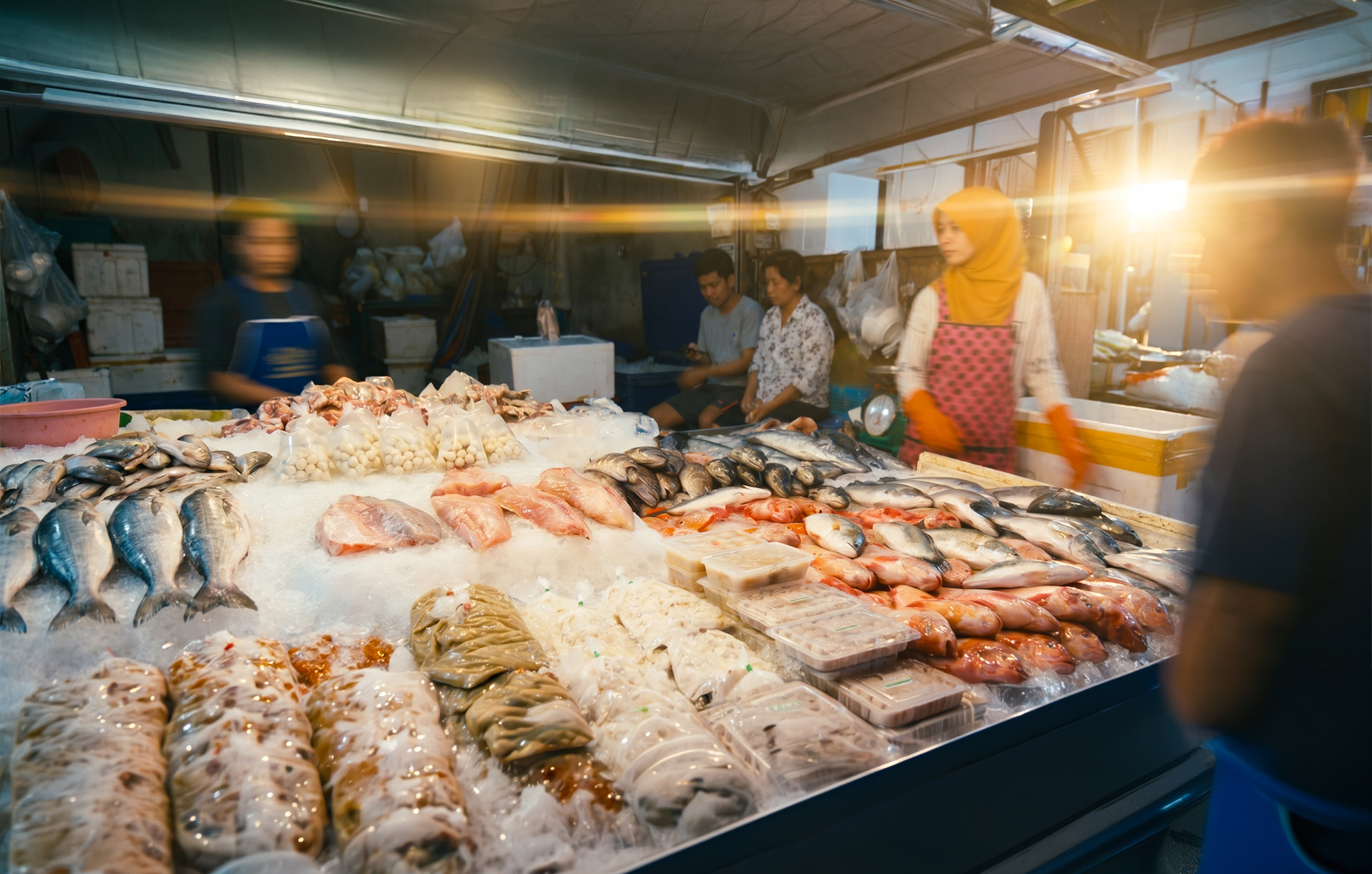
From 17:00, South Pattaya's largest seafood market transforms the car park behind Thepprasit Road into a smoke-filled grid of charcoal grills, ice displays, and negotiating vendors. King prawns to 500g, whole grouper, grilled squid, and fresh oysters — all priced by weight and cooked on the spot.
Get Directions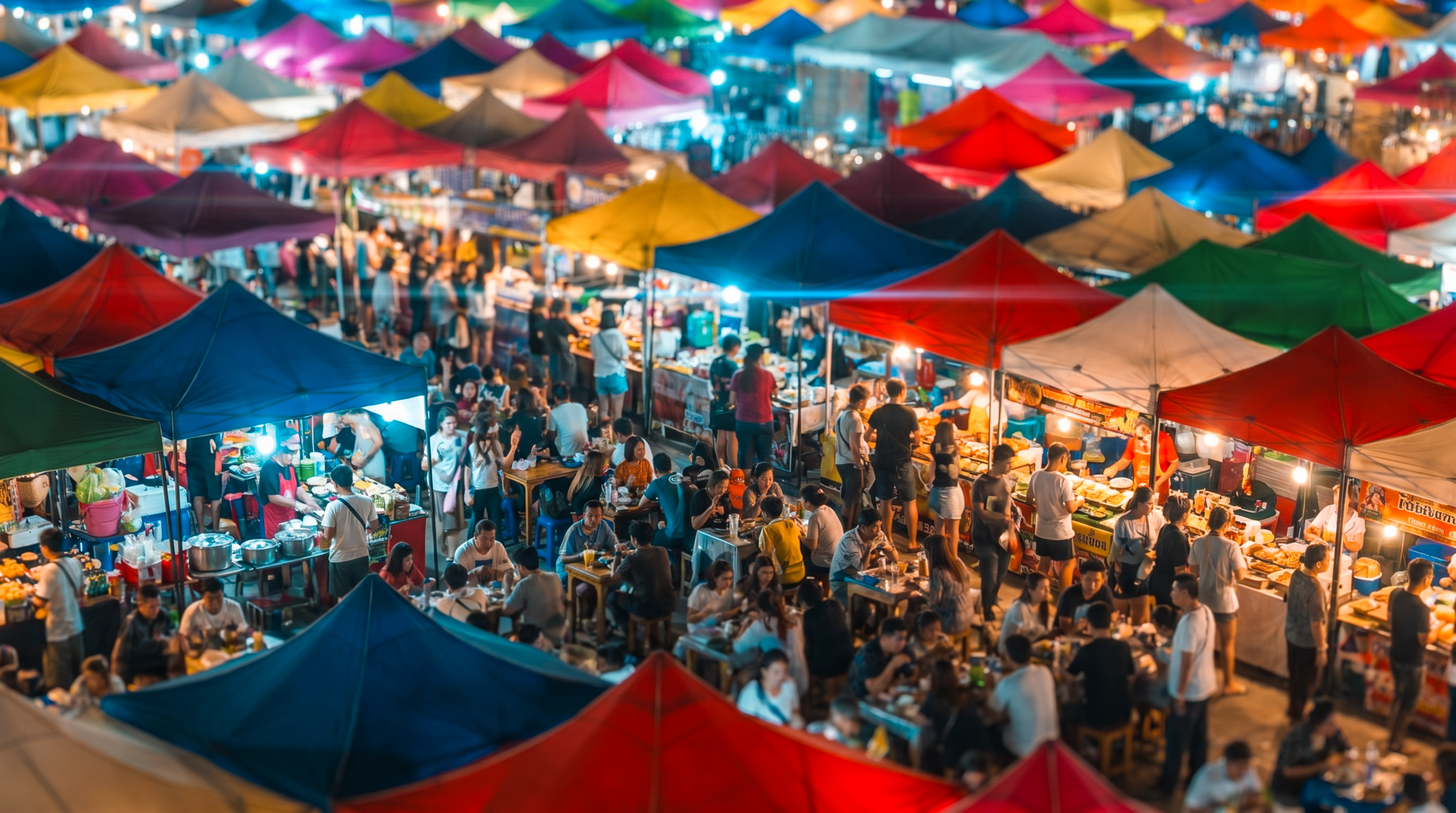
The central Pattaya seafood market on Naklua Soi 16 operates daily and serves both retail buyers and the city's restaurant trade simultaneously. The same counter that sells to a hotel executive chef at 5am is open to individual buyers at 6am. The price does not change between the two transactions. Everything is negotiable after 9am when the morning rush subsides and vendors begin discounting remaining stock to avoid waste.

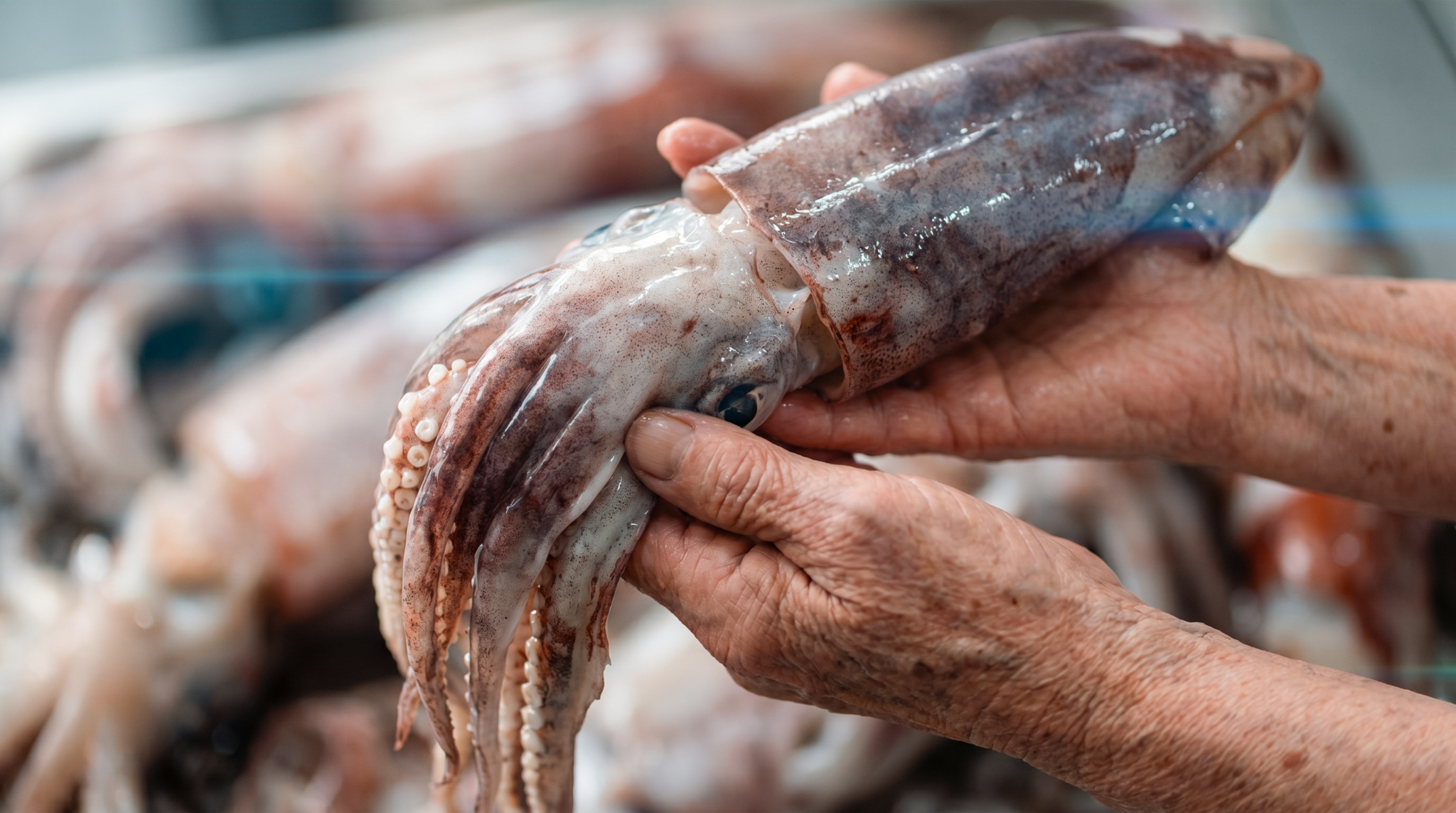
The small fishing community on Koh Larn operates its own micro-market at the island's main pier — catch landed directly from the overnight boats at 5:00–6:00am. Available only to those who take the early ferry or charter a speedboat before tourist services begin. Predominantly squid, sea bass, and reef fish species unique to Koh Larn's protected coral zone.
The Gulf of Thailand produces a specific roster of seafood species — some available year-round, others strictly seasonal. This is what the local chefs are buying, and why they arrive before dawn.
Hak, in Thai — the Gulf's most prized crustacean and the most commonly mislabelled. True mantis shrimp from the Gulf have a distinct sweetness that farmed alternatives cannot replicate. Available year-round; peak season November–March. Sold live at premium stalls, cooked-to-order at market restaurants adjacent to the pier.
Poo Thalay — the blue swimming crab native to the Gulf's tidal zones. At Si Racha's pier market, whole live crabs are sold by weight from tanks of circulating seawater. The Si Racha preparations — steamed with ginger and garlic, or yellow curry — are considered the benchmark by Bangkok chefs who make the drive specifically.
Thailand's squid fishing industry is centred on the Gulf's eastern coast — the waters directly off Chonburi Province. Squid harvested within 48 hours requires no tenderising; the texture at Koh Larn's early pier market is markedly different from the squid available in Bangkok supermarkets 12 hours later. The difference is solely time and distance from water.
Pla Krapong — the restaurant industry's preferred Gulf fish, sold whole at every market in the province. The Naklua market receives both wild-caught and aquaculture sea bass; the price difference between the two is immediately apparent. Wild bass have a firmer, less fatty flesh and a slightly darker skin. Ask at the stall — the vendors always know which is which.
Dawn markets (Naklua, Ang Sila, Si Racha, Ban Amphur) peak between 5:00–7:30am — arrive before 7am for the widest selection and lowest prices. After 9am most premium species are sold. The Thepprasit Night Market opens 17:00 Friday–Sunday and runs until midnight.
All markets operate cash only (Thai Baht). ATMs are available in Naklua, Si Racha town centre, and the petrol stations adjacent to the Bang Saen markets. No market in the province accepts card payment — carry small denominations (20, 50, 100 Baht notes) for easier negotiation.
Private vehicle or taxi hire is strongly recommended — market visits at 5am are not served by public transport. Most Pattaya hotels can arrange a private driver from 4:30am for 600–900 Baht. For Ang Sila and Si Racha, combine with a Koh Si Chang ferry day — both piers are adjacent to the markets.
Several restaurants adjacent to Naklua market and Thepprasit Night Market will cook your purchase for a preparation fee (typically 80–200 Baht per dish). This is standard practice and expected — bring your catch, choose your cooking method (steamed, grilled, curry, or soup), and sit at the restaurant's tables. The system is efficient and the quality is exceptional.

Effortless travel, exclusive access, and always-on intelligence — AVA knows Pattaya better than anyone.
AVA