 Experience Pattaya City
Experience Pattaya City
Experience Pattaya City
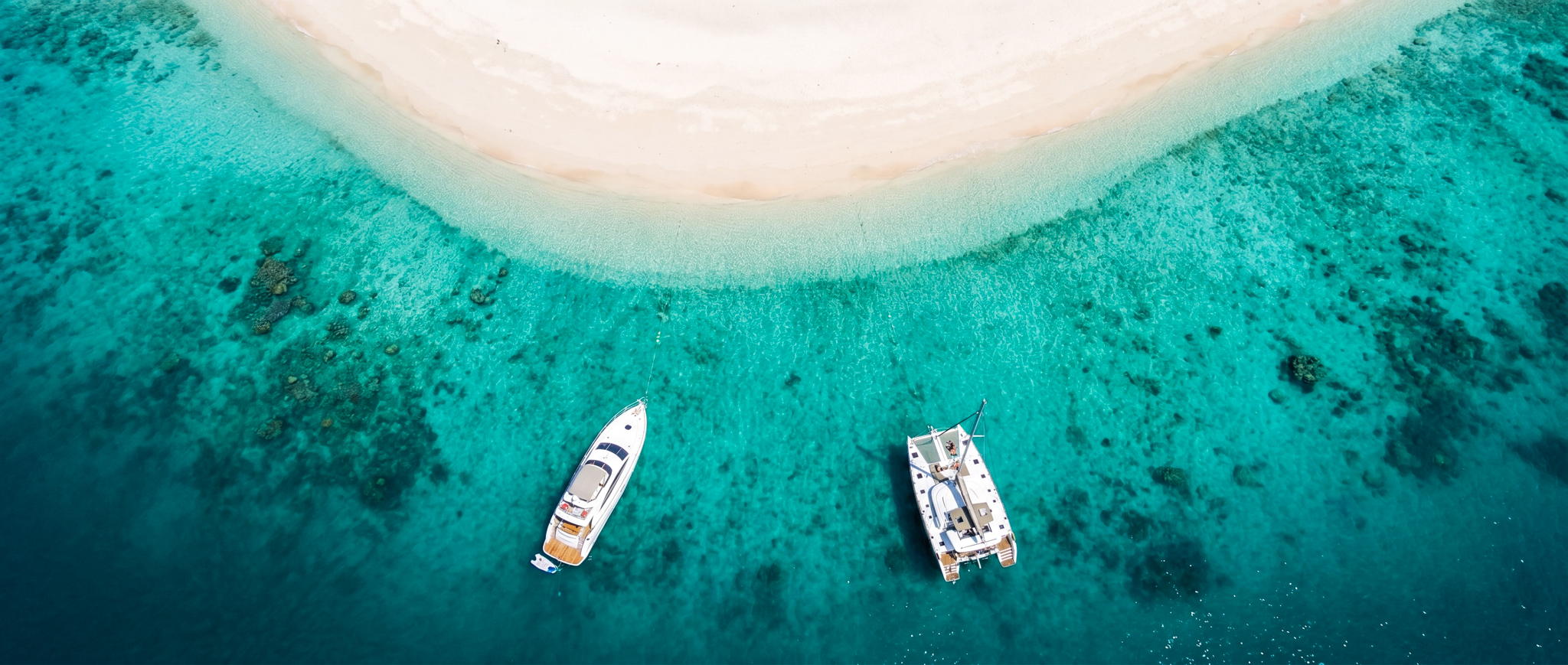
Beyond the city, the province opens. A coastline of 160 kilometres, two inhabited islands, ancient fishing villages, and a quietness that Pattaya's visitors rarely discover — and rarely forget.
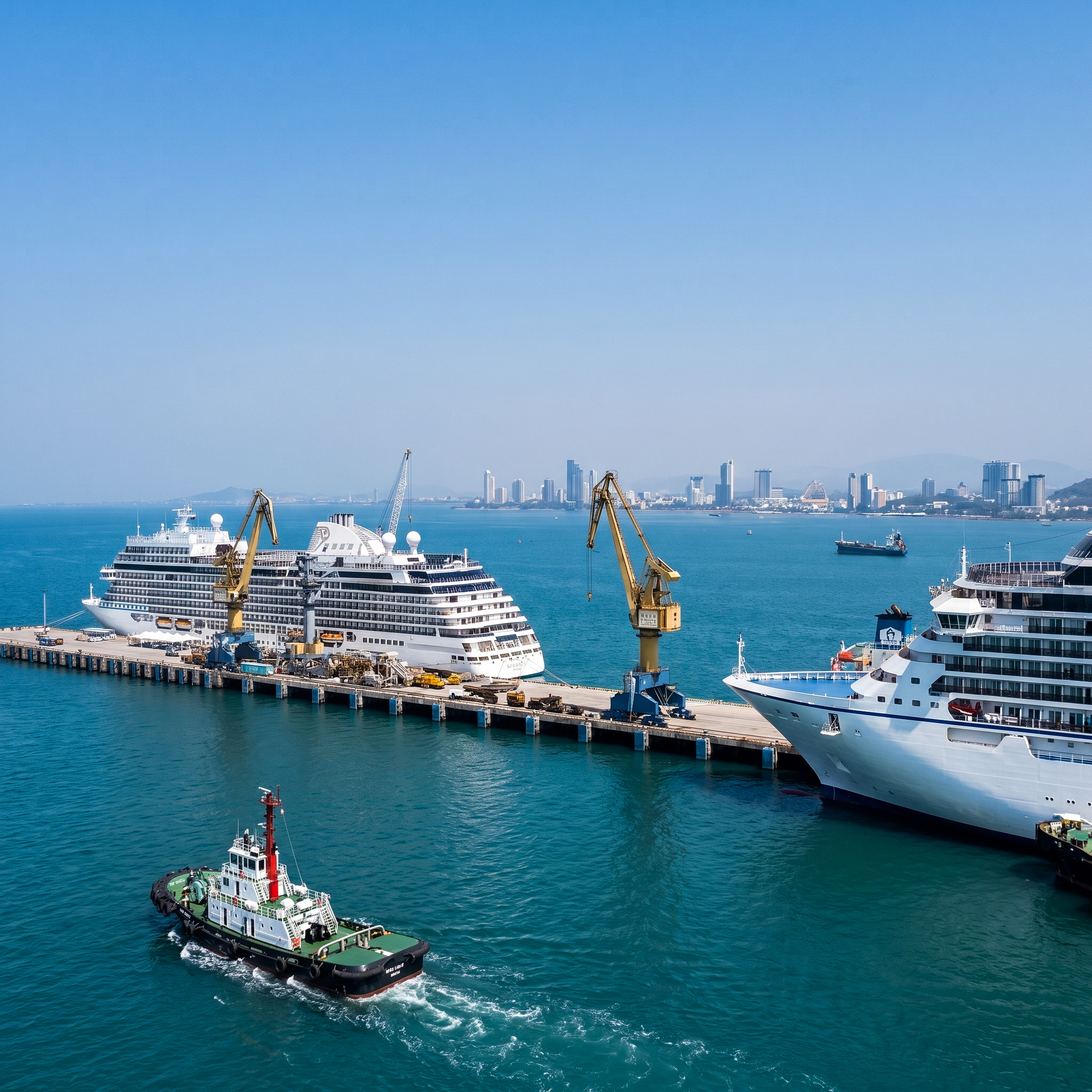
Explore the CoastlineChonburi Province stretches from the industrial port of Laem Chabang in the north — Thailand's busiest deep-water seaport — down through the fishing village of Si Racha, past the beaches of Bang Saen, through Pattaya, and south into the quieter waters of Sattahip. Along this arc of 160 kilometres, the Gulf of Thailand reveals itself in registers that no single resort can contain.
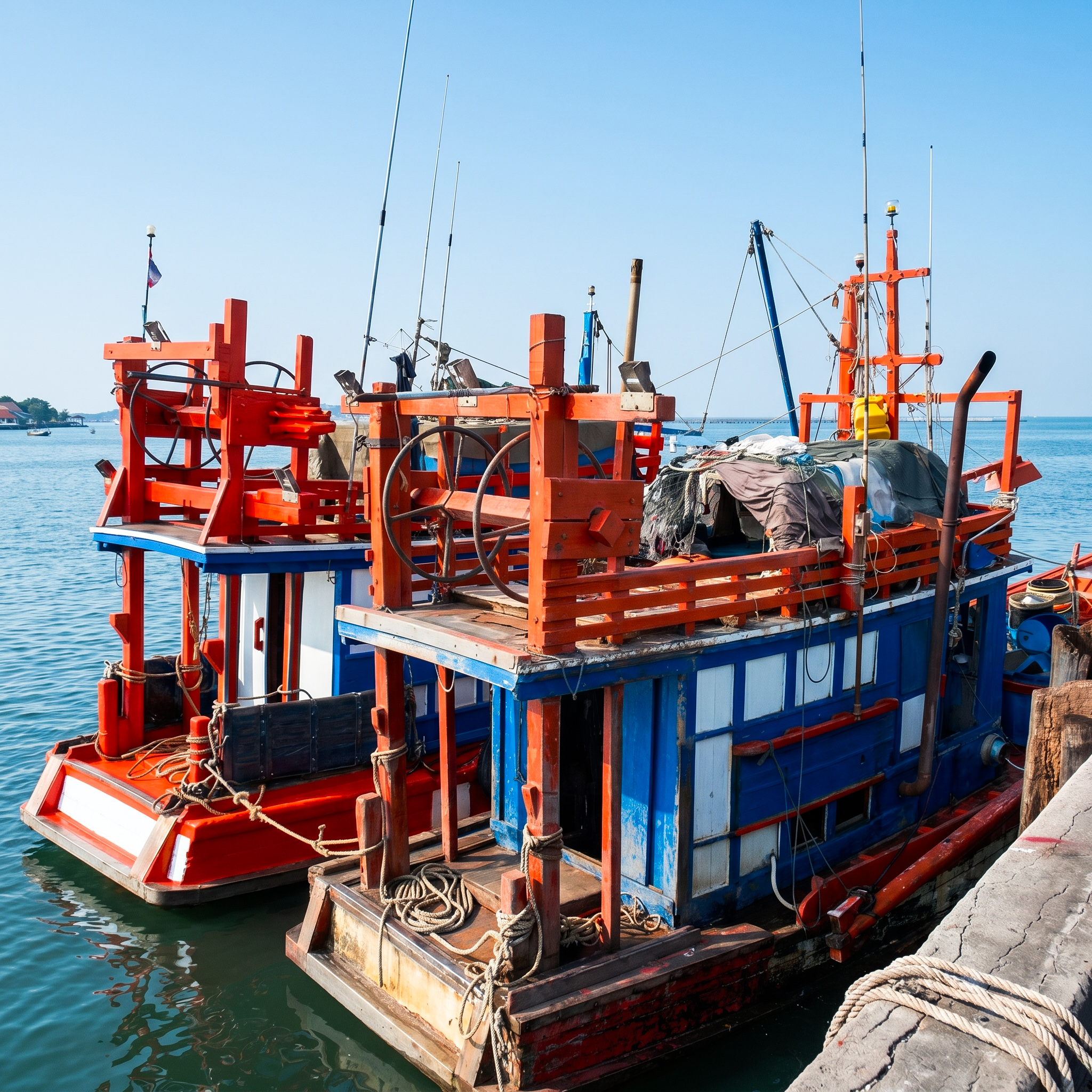
The visitors who discover coastal Chonburi beyond Pattaya typically do so by accident — a wrong turn, a local recommendation, a morning drive that continues past the last familiar signpost. What they find is a version of the Gulf that has not yet been sold: fishing boats still returning at dawn, markets where the price is whatever the catch is worth, beaches occupied by Thai families rather than branded beach umbrellas.
"The coast that the province keeps for itself is always more interesting than the one it shows the world."
From coral-fringed Koh Larn to the heritage fishing village of Ang Sila, from navy-protected Sattahip to the local promenade of Bang Saen — Chonburi's beaches are not interchangeable. Each belongs to a different chapter of the province's life.
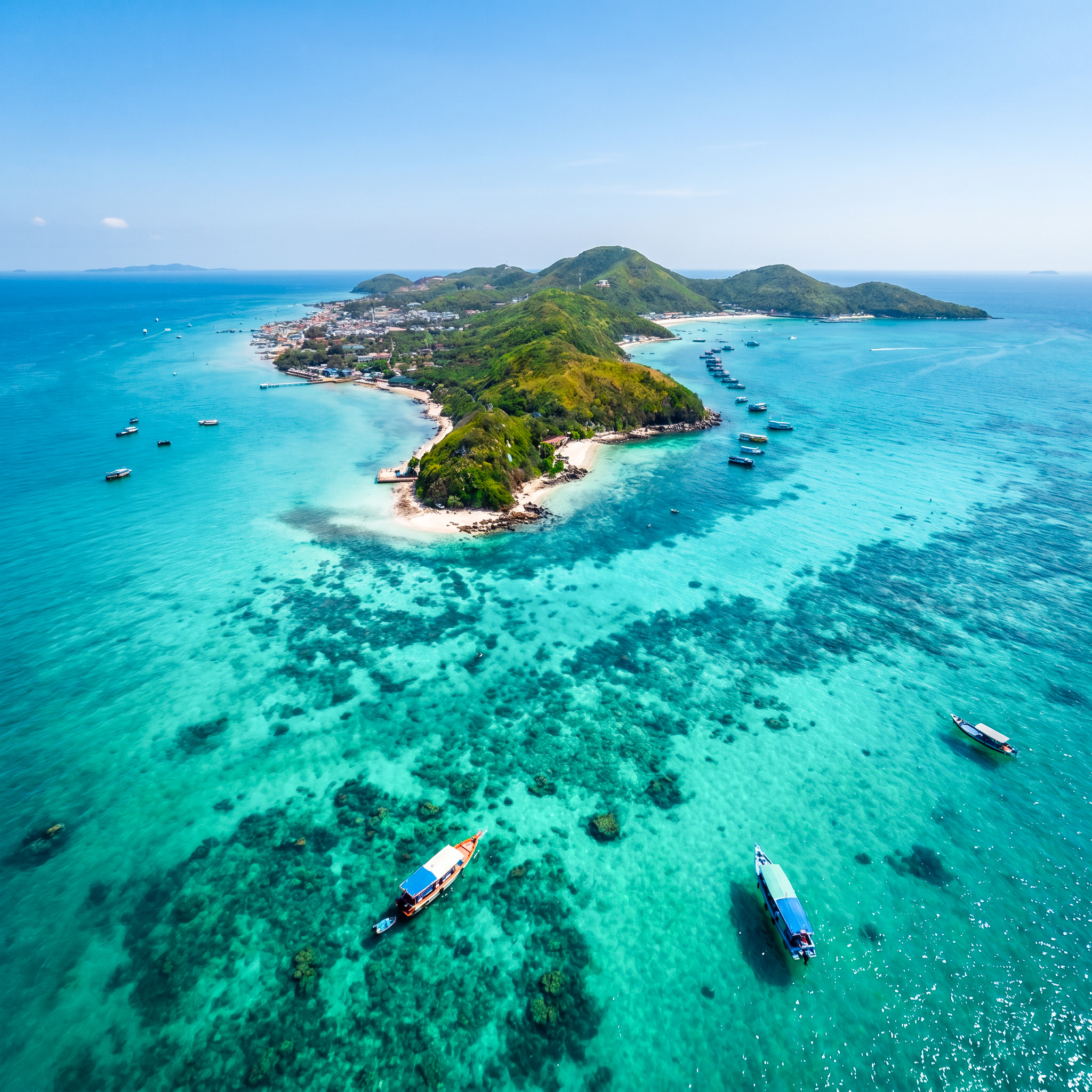
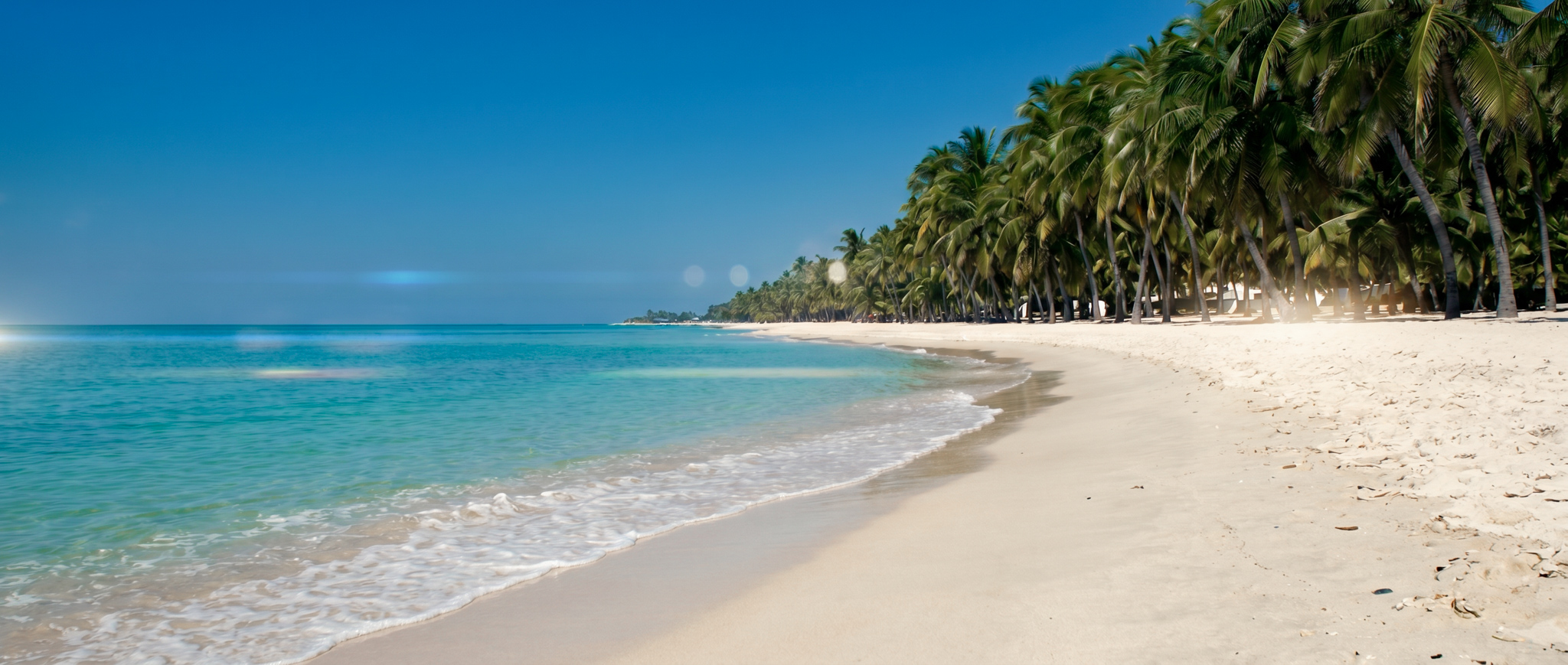
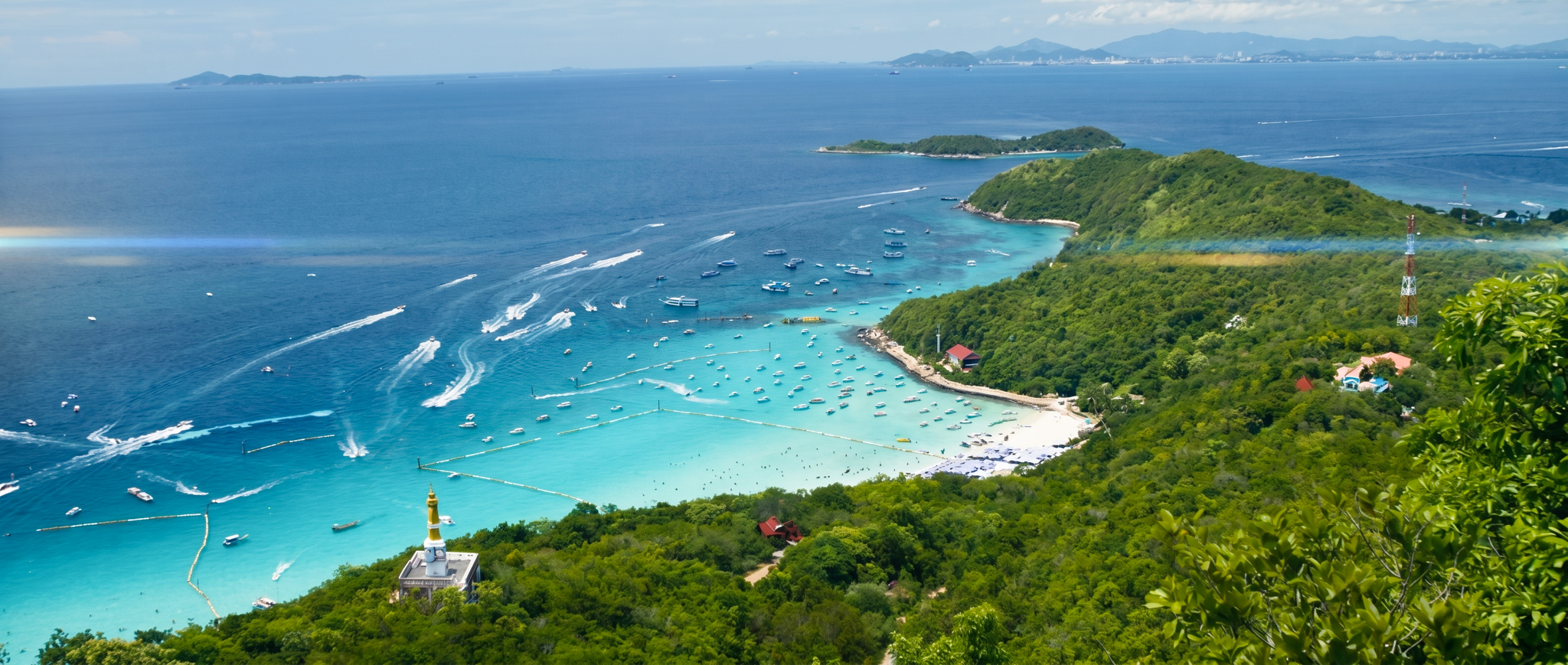
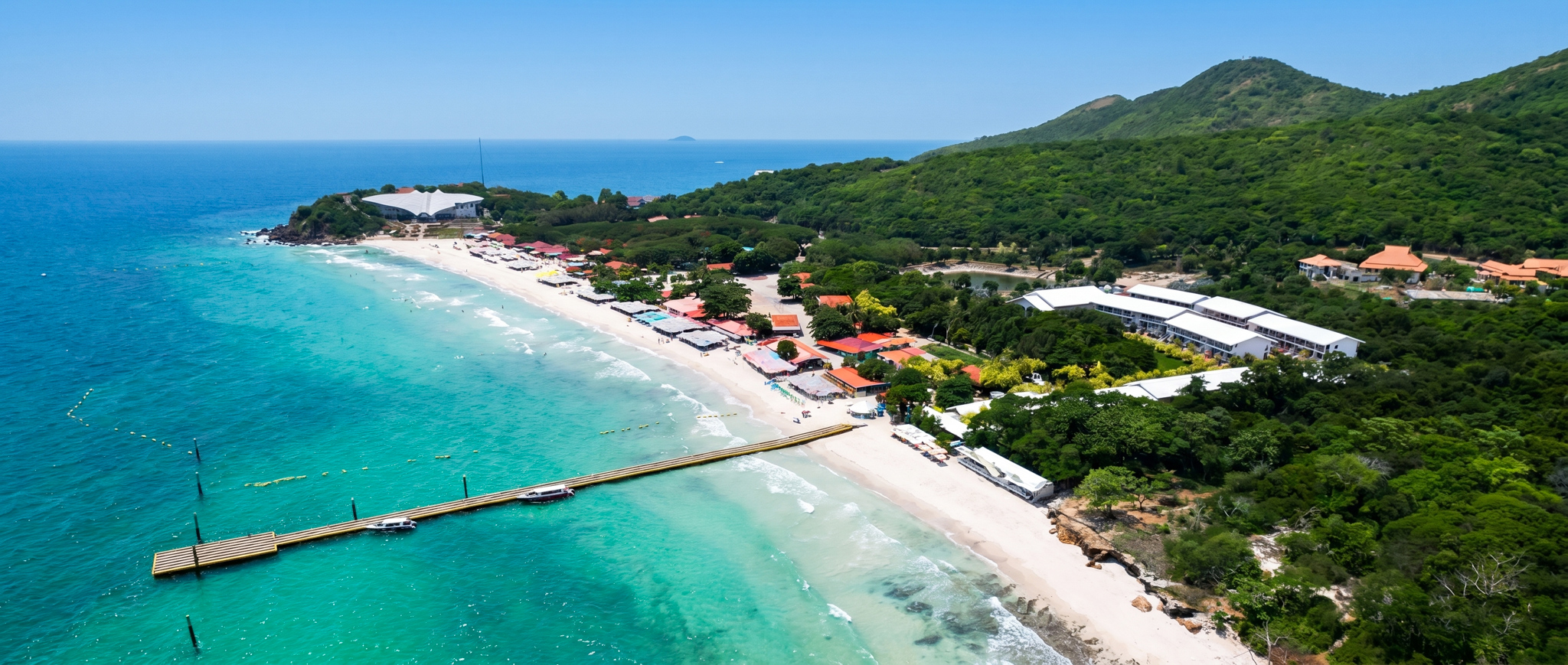
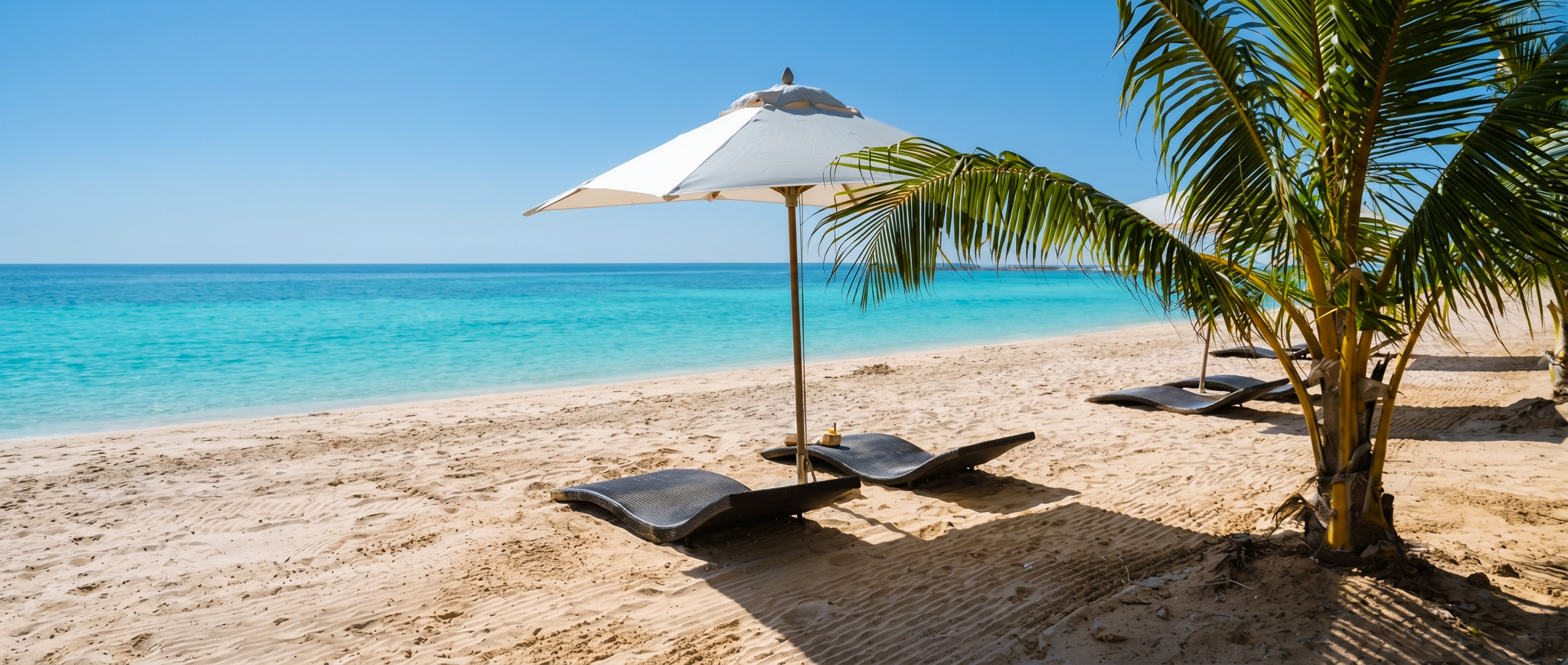
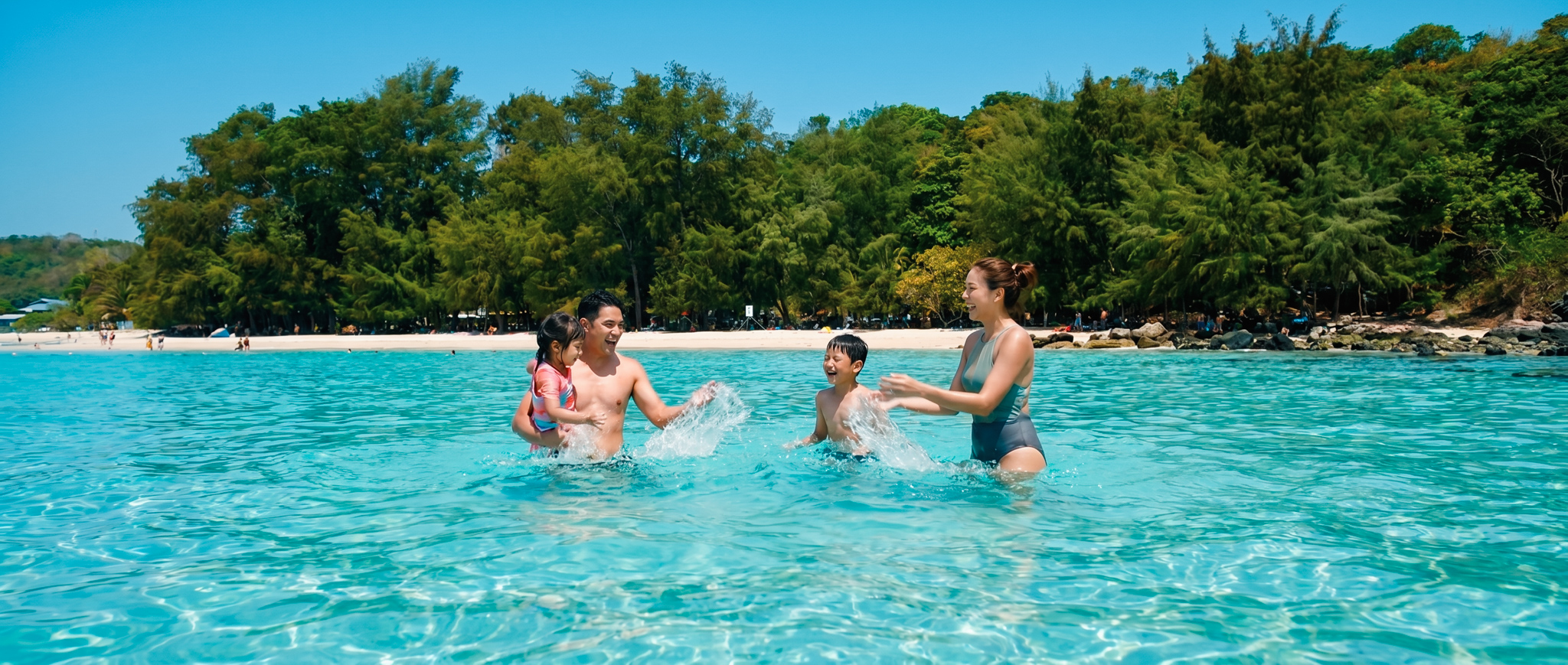
Chonburi has two inhabited islands that define opposite ends of the province's coastal character — one built for a day, the other built for a century.
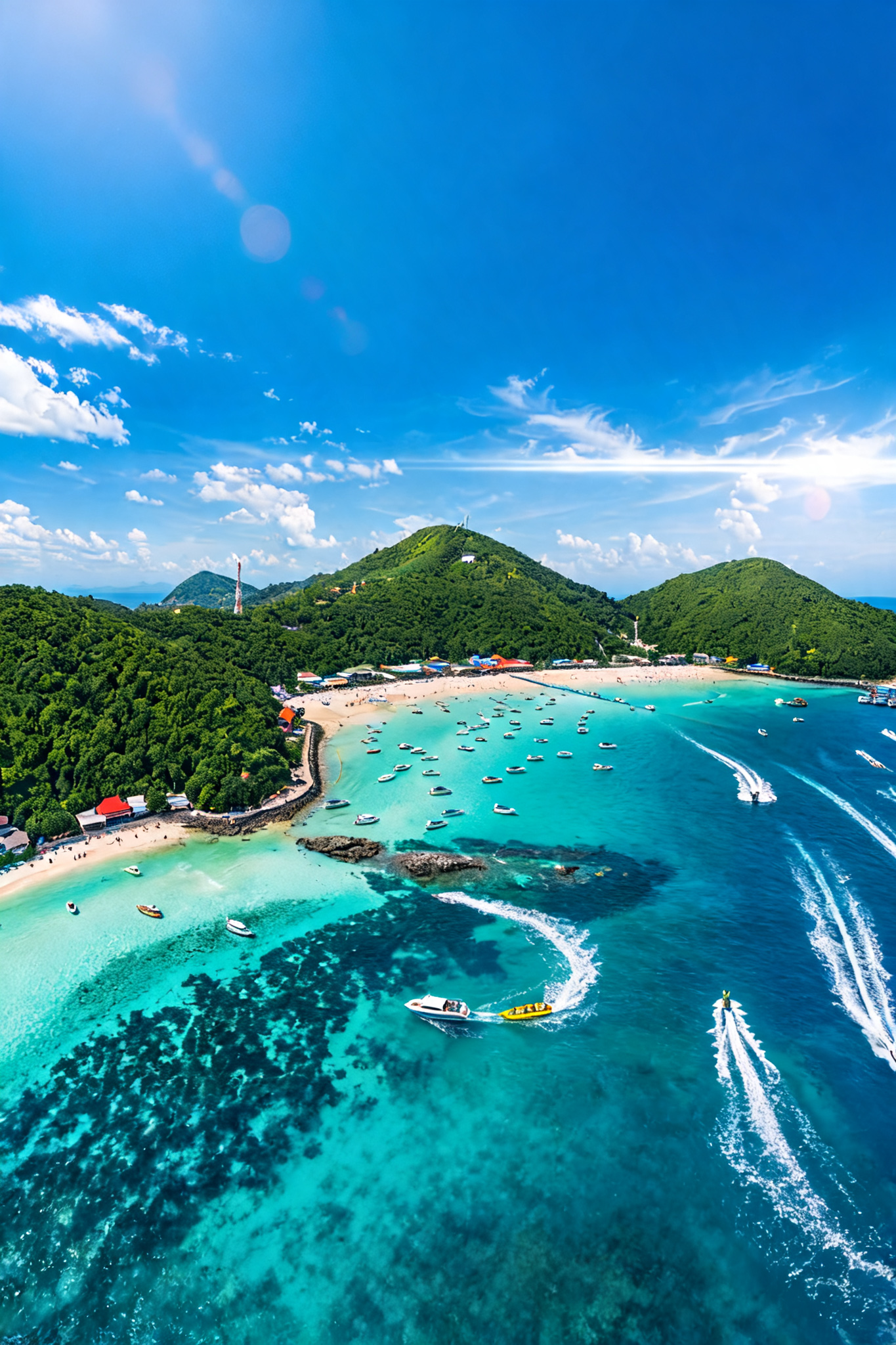
Six beaches, a permanent population of around 2,000, and some of the clearest water in the Gulf of Thailand. Reachable by ferry from Bali Hai Pier in 45 minutes or speedboat in 15. The island's coral reefs inspired its name — larn means coral in Thai — and still reward snorkellers below the surface.
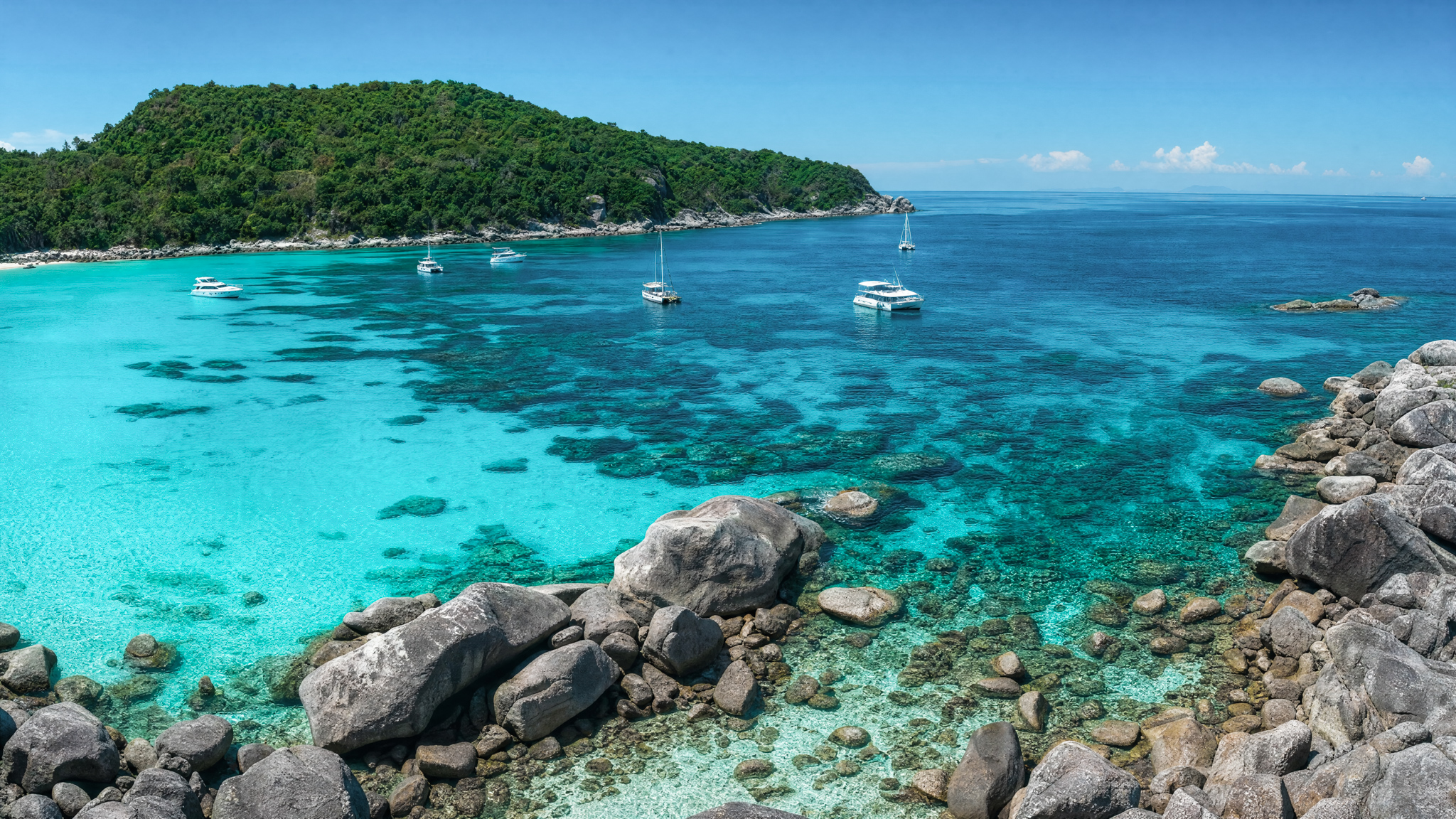
A 10km² island of forested hills and royal memory. King Rama V built his summer palace here in the 1890s before it was relocated to Bangkok in 1900 — the ruins remain on the hilltop, watched over by monks. One beach, one road, two temples, and a pace of life unchanged across a century.
These are working communities that happen to sit on some of the most beautiful coastline in Southeast Asia — entirely accessible to any visitor willing to drive past the last English-language signpost.
A working port town where the original Sriracha sauce was developed in the 1930s and remains a local product with none of the global branding. The morning seafood market at the harbour is among the most active on the eastern seaboard. The pier temples of Koh Loi island — connected by a short wooden walkway over the water — are among the most atmospherically situated in the province.
The beach that Bangkok drives to on Friday afternoons. Defined by Burapha University — street food of genuine quality, a 2.5km promenade, and an Ang Sila market that has been operating since 1876. Khao Sam Muk hill rises above the beach, its Chinese shrine and wild monkeys one of the most photographed — and most chaotic — sights in northern Chonburi.
The southernmost district of Chonburi is defined by the Royal Thai Navy base — and protected by it. Military jurisdiction that limited development for decades has inadvertently preserved some of the province's most pristine coastal environments. Sai Kaew Beach, Nang Ram Beach, the sea turtle conservation centre, and U-Tapao International Airport all sit within this district.
Chonburi is not primarily known as an ecotourism destination. That is precisely what makes its natural assets undervalued — and therefore still accessible in their original condition.
Chonburi's coastline is best explored by private vehicle. Hire a driver for a full-day coastal circuit, or rent a car from any major Pattaya hotel. Island ferries run throughout the day.
Coastal Chonburi rewards the visitor willing to go slightly beyond the obvious. The quieter coastline, the islands, the fishing markets, and the protected beaches are accessible to anyone — and visited by very few international travellers.

Effortless travel, exclusive access, and always-on intelligence — AVA knows Pattaya better than anyone.
AVA